

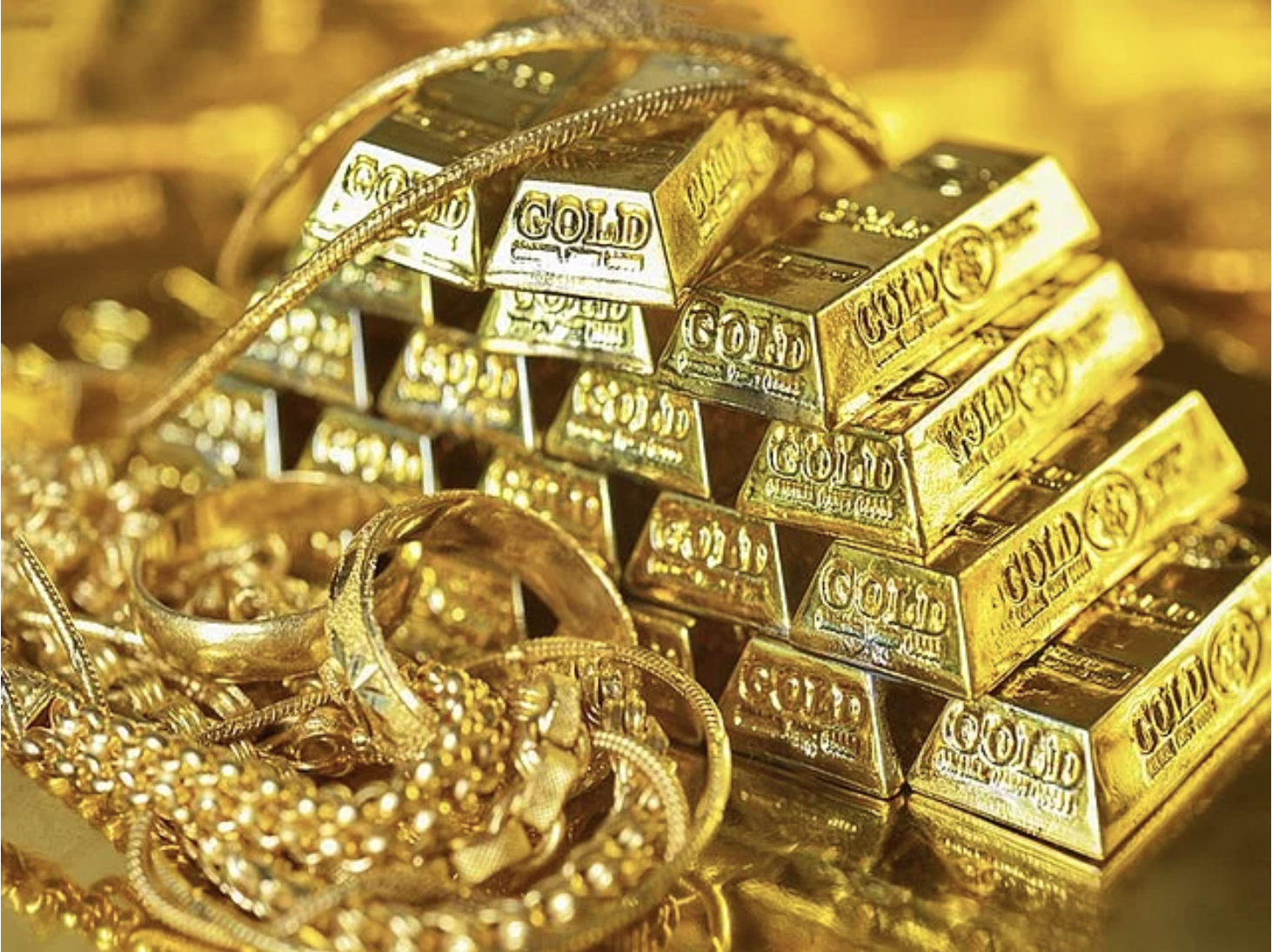
Gold prices increased by 0.6%, reaching $4,211.77 per ounce as of 3:21 pm ET (2021 GMT), with US gold futures for February rising 0.4% to close at $4,236.20. Silver outperformed other precious metals, soaring 4.3% to $60.74 per ounce and hitting a new record high.
Market analysts indicate that traders are betting on sustained demand driven by industrial sectors such as solar energy, electric vehicles, charging infrastructure, data centers, and artificial intelligence. The Silver Institute’s recent report expects this high demand to continue through 2030.
The rally is supported by limited mine supply, decreasing global inventories, expectations of continued interest rate cuts by the Federal Reserve, and the U.S. government’s classification of silver as a critical mineral. Some fund managers warn that, despite the metal’s volatile nature, the market’s ongoing deficit suggests upside risks remain.
Investors are now closely watching the Federal Reserve’s two-day policy meeting, which concludes Wednesday. Futures markets imply an approximately 87.4% chance of a 25 basis point rate cut this week, a scenario typically favorable for non-yielding assets like gold and silver.
Despite stronger-than-expected economic data, such as the US Labor Department’s JOLTS report showing 7.67 million job openings in October—well above forecasts—gold prices have largely ignored the data. Some strategists suggest that silver’s sharp gains and optimism about monetary easing are driving gold higher.
Market projections indicate silver could exceed $70 per ounce in the first half of 2026, while gold might approach $5,000 if rate cuts persist and geopolitical tensions continue to influence markets.
In other metals, platinum rose 2.8% to $1,688.39 per ounce, and palladium increased 2.6% to $1,503.74.