

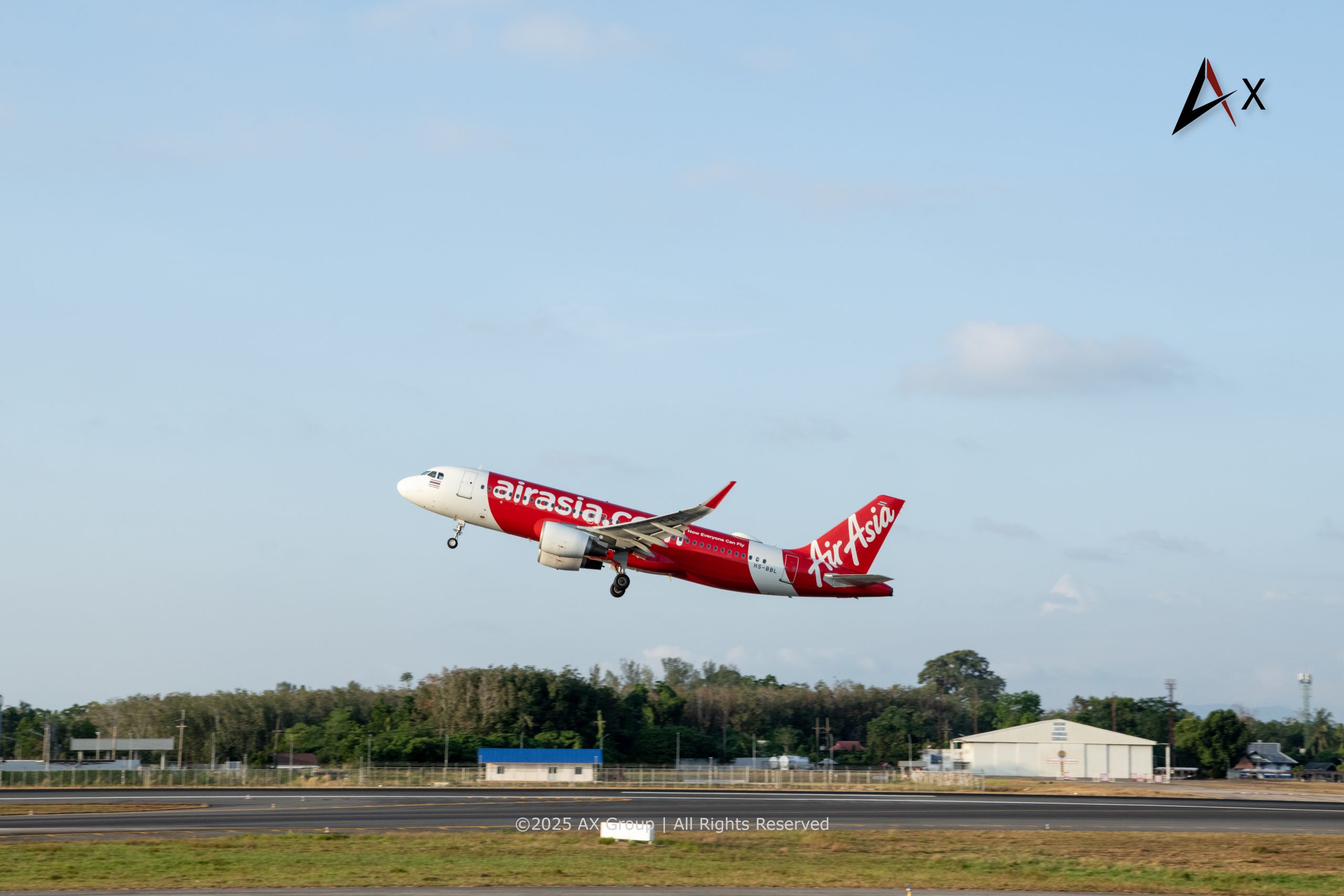
AirAsia has acknowledged that rising airfares are unavoidable amid the ongoing Middle East conflict and global oil crisis, but says it remains confident in travel demand across its network and is committed to keeping fares as affordable as possible.
Tony Fernandes, chief executive of Capital A and founder of AirAsia, said the airline has weathered numerous challenges over the past two decades, with the Covid-19 pandemic being the most severe as operations were largely grounded.
Despite the current geopolitical tensions and resulting surge in oil prices, AirAsia continues to operate flights to meet strong demand. Mr Fernandes noted that travel patterns have shifted, with more passengers choosing to stay within the region rather than flying to Europe or the United States.
He added that reduced global seat capacity — largely due to disruptions affecting Gulf carriers, which account for around 15–20% of total airline capacity — has further supported demand.
While airfares across the aviation sector are expected to rise, AirAsia aims to limit increases where possible. The company also expects to emerge stronger from the current crisis, using the period to enhance operational efficiency.
Mr Fernandes said higher oil prices have had limited direct impact on Capital A’s non-aviation businesses.
The group recently appointed Effendy Shahul Hamid as deputy chief executive as it enters a new growth phase following the sale of its aviation assets to AirAsia X Berhad.
Capital A operates five core business units: Asia Digital Engineering (ADE), which handles maintenance, repair and overhaul; Teleport, its logistics arm; AirAsia MOVE, its travel and mobility platform; AirAsia Next, focused on brand and intellectual property; and Santan, its food and beverage business.
ADE is expanding with four new maintenance lines in Kuala Lumpur and plans to develop additional hangars in Thailand, Bahrain and the Philippines by the second half of the year.
Teleport continues to benefit from rising e-commerce demand and reduced global cargo capacity, particularly from Middle Eastern carriers.
Meanwhile, the group is expanding its F&B operations through grab-and-go formats and smaller restaurant concepts, with ambitions to become the “McDonald’s of Asean”.
Looking ahead, Capital A plans to list AirAsia Next in the United States by year-end, alongside a potential dual listing of Capital A in Hong Kong by mid-year to strengthen its presence in North Asia.