

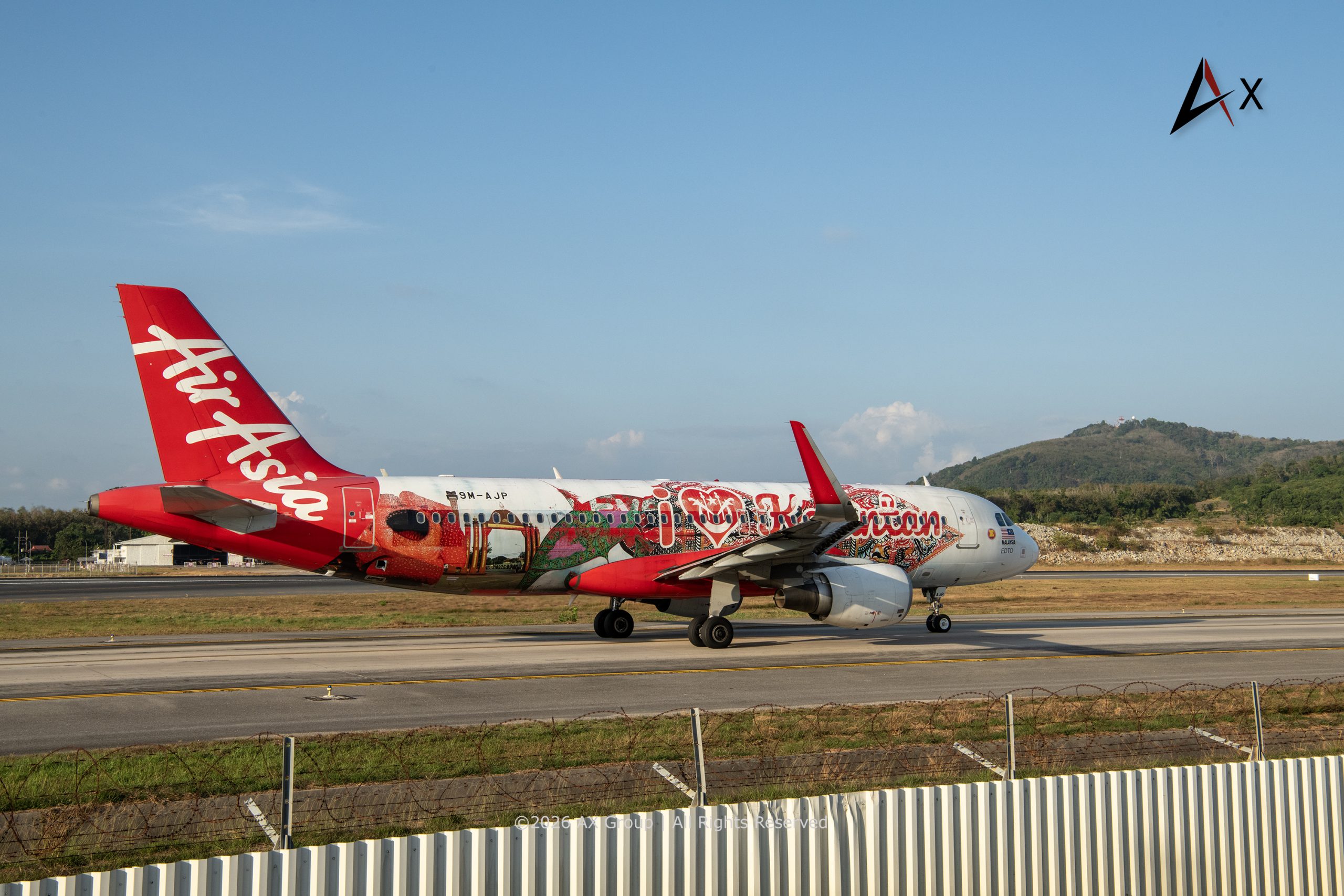
Tony Fernandes has sharply criticised Thailand’s planned increase in passenger service charges (PSC) for international travellers, warning that the higher fees come at the worst possible time for the aviation industry amid rising fuel costs linked to the Middle East conflict.
The new PSC rates, recently published in the Royal Gazette, will allow Airports of Thailand to raise international passenger charges by an additional 390 baht, bringing the total fee to 1,120 baht from June 20.
Fernandes said the airline industry is already under heavy pressure after fuel costs surged following the US-Iran conflict. Although AirAsia raised fuel surcharges by 20%, he noted the increase still does not fully offset soaring operating expenses.
To manage costs, the group has reduced flight capacity by more than 20% and streamlined fleet operations rather than passing additional costs onto passengers.
Fernandes warned the PSC hike could make Bangkok the second-most expensive airport destination in the region after Singapore, which has already seen declining low-cost carrier traffic.
While acknowledging AoT’s need to increase revenue, he argued airport operators should diversify income streams through cargo operations, maintenance, repair and overhaul (MRO) services, and commercial airport development rather than imposing blanket passenger fee increases.
He highlighted the potential for Don Mueang International Airport to become a major cargo and MRO hub, while suggesting provincial airports could also be further developed to support growth.
Fernandes also criticised the application of identical charges across all airports, arguing that low-cost carriers operating from Don Mueang require significantly different infrastructure and services compared with full-service airlines based at Suvarnabhumi Airport.
“This is not fair to low-cost customers as Don Mueang should be a low-cost airport,” he said.
The aviation executive warned that additional financial burdens — including Thailand’s proposed 300-baht tourism tax and discussions surrounding a possible 1,000-baht departure tax for Thai nationals — could negatively impact travel demand and tourism recovery.
Despite concerns over rising costs, Fernandes said AirAsia continues to pursue expansion plans, including launching a new airline and growing non-aviation ventures through the group’s brand licensing platform, AirAsia Next.