

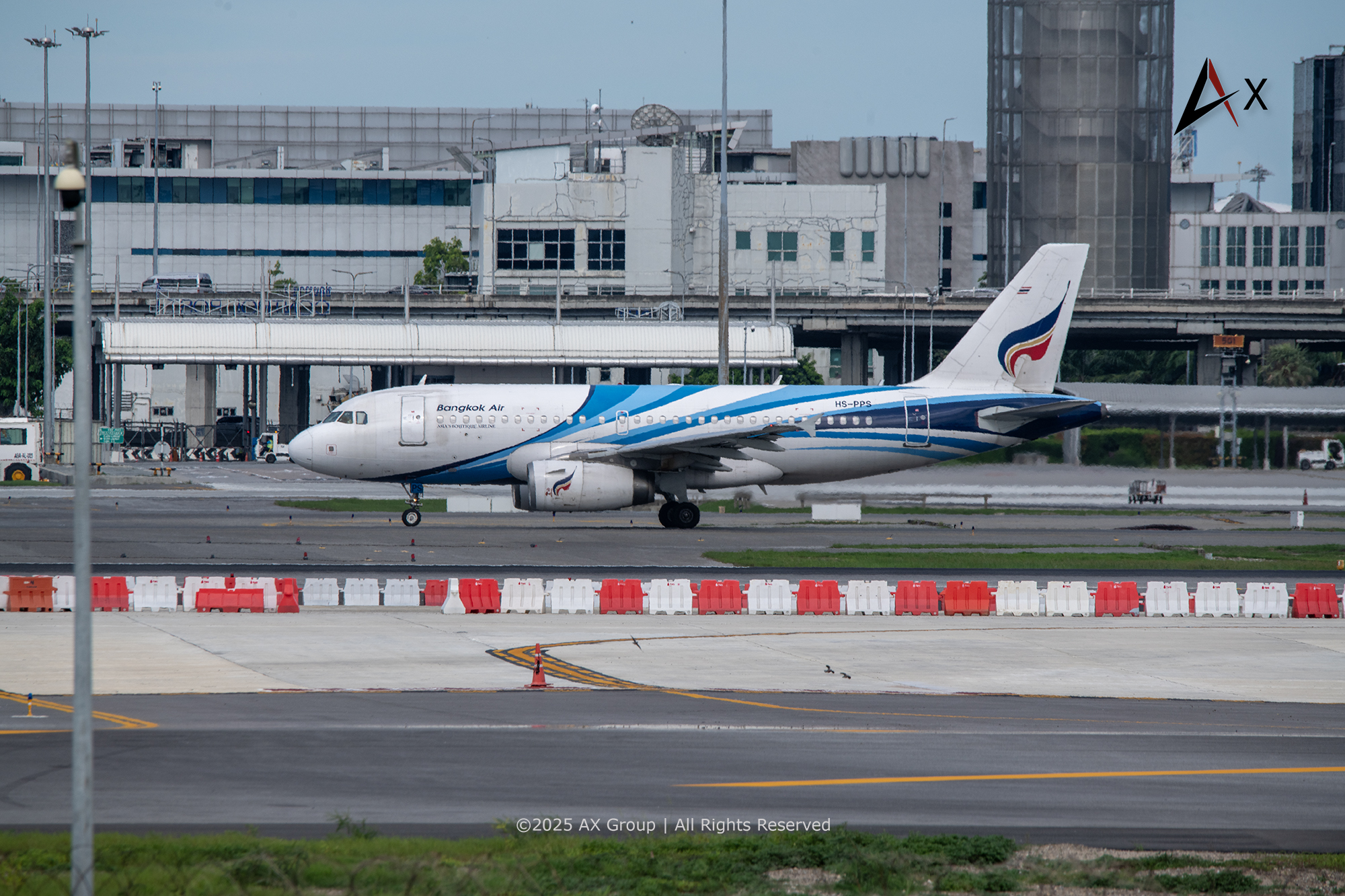
Bangkok Airways is redefining its strategic direction for 2026, moving beyond its long-standing boutique airline positioning toward a model centred on sustainability and strengthened regional connectivity. The shift signals a move away from traditional service-focused metrics, placing environmental, social and governance (ESG) principles at the core of the carrier’s operational strategy.
As part of its decarbonisation roadmap, Bangkok Airways began integrating a 1% blend of Sustainable Aviation Fuel (SAF) on international routes in 2025. The airline plans to gradually expand SAF usage in line with global aviation targets.
“We are moving along with the plans set by IATA and ICAO,” said Puttipong, noting that the airline intends to increase SAF adoption over time.
The carrier is also advancing circular economy initiatives through upcycling programmes. These include repurposing aircraft seatbelts and seat covers into fashion accessories, while collaborations with local communities have transformed discarded oyster shells into sustainable products such as coasters and paving blocks produced from shell-based cement.
From a network perspective, Bangkok Airways is preparing to develop Phuket as a secondary international hub alongside Bangkok.
“So many flights are now arriving in Phuket from Europe and the Middle East. If we can capture those international arrivals and provide new domestic connections, it can create another gateway,” Puttipong explained.
Historically, travellers arriving in Phuket who wished to explore other regions of Thailand often needed to route through Bangkok, adding significant travel time. Under the airline’s new strategy, Bangkok Airways plans to introduce direct cross-country routes — such as Phuket–Trat — to streamline connectivity and reduce journey times.
Unlike many global carriers, Bangkok Airways continues to operate outside formal airline alliances. Instead, the airline relies on an extensive network of bilateral partnerships, currently maintaining around 30 codeshare agreements with airlines including Singapore Airlines and Emirates, alongside approximately 70 interline partnerships.
“Our size allows us to be a network that supports any airline flying into Thailand,” Puttipong said. He added that maintaining independence enables Bangkok Airways to collaborate with carriers from all major global alliances simultaneously.