

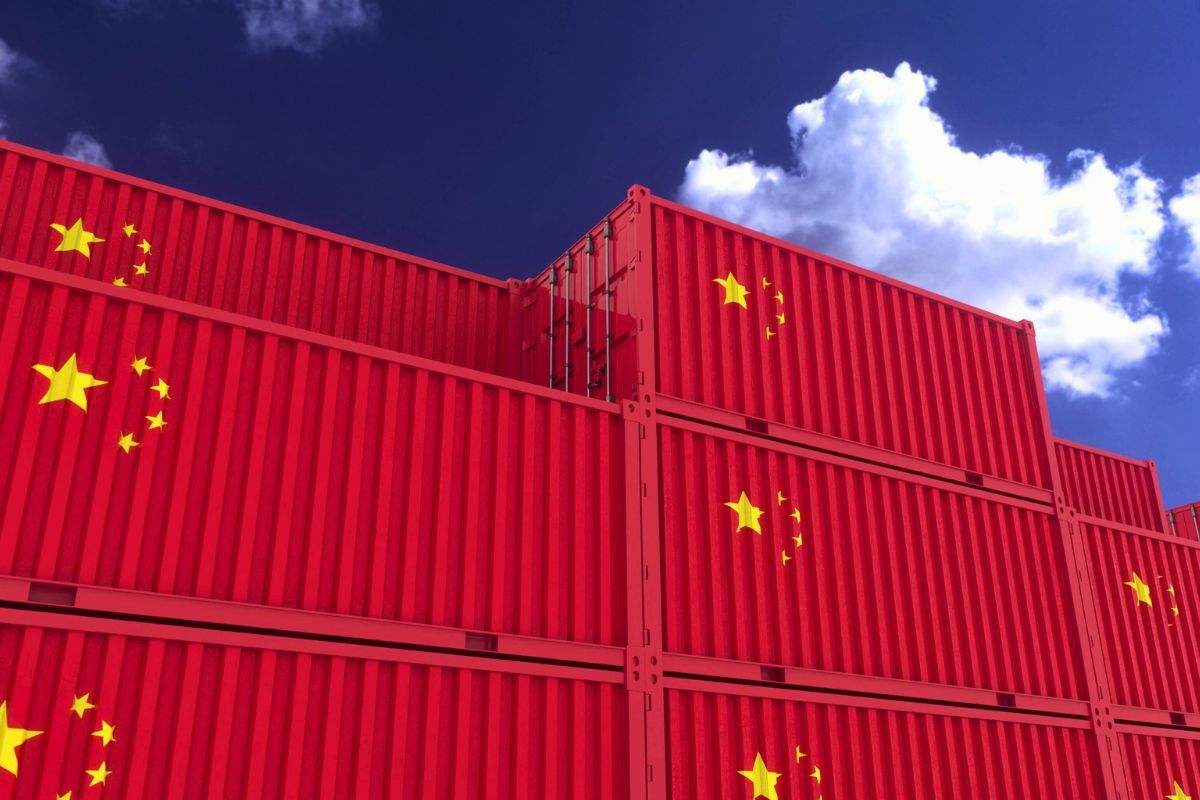
A recent report by Krungthai Bank indicates that although Thailand has not yet entered deflation, a surge of inexpensive Chinese goods could pose a serious threat to local businesses.
Thailand has experienced its fifth consecutive month of negative inflation, with the Trade Policy and Strategy Office (TPSO) of the Ministry of Commerce reporting an August decline of 0.79%. The inflation rate is expected to continue decreasing in September, with the cumulative inflation for the first eight months of the year rising by only 0.08%.
Poon Panichpibool, a capital markets strategist at Krungthai Bank, explained that the negative inflation is mainly driven by supply-side factors, such as a good harvest of fruits and vegetables and low rice prices. Additionally, government measures like electricity subsidies have helped ease living costs.
He clarified that Thailand has not entered a true deflationary phase since widespread price drops are absent. However, Poon cautioned that the influx of cheap Chinese imports is intensifying competition for Thai businesses both domestically and in export markets, creating significant pressure.
Poon called on the government and the Bank of Thailand to collaborate on solutions. While low inflation itself isn’t a concern for the Bank, the slowing economy and high levels of household and SME debt may lead to a reduction in policy interest rates.