

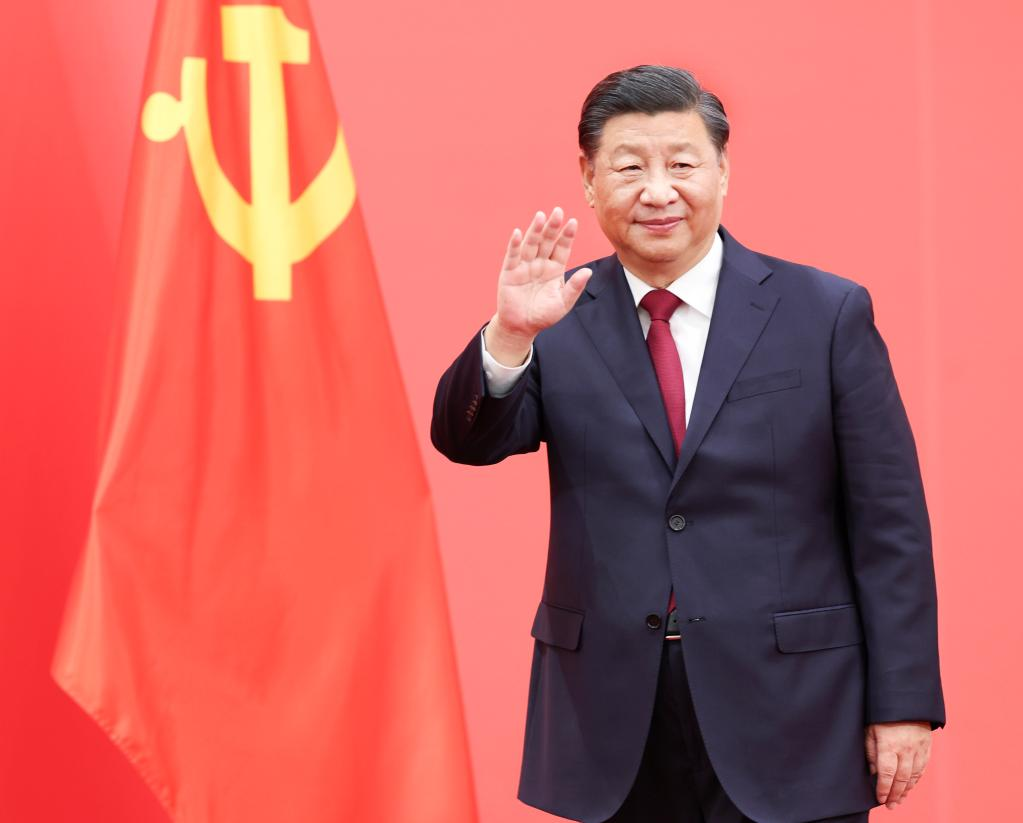
China is urging the Trump administration to relax certain national-security restrictions on Chinese investments in the United States. In return, it appears Xi Jinping may be seeking reciprocal concessions or cooperation. This move reflects China’s efforts to promote increased business activities in the U.S. while addressing security concerns, highlighting ongoing attempts to balance economic growth with national security considerations.
According to Bloomberg, China is appealing to the U.S. government to ease restrictions on Chinese investments, potentially offering a substantial investment package that could surpass $1 trillion. This marks a significant departure from the past decade’s policies, which focused heavily on scrutinizing Chinese involvement in American markets. China’s strategy aims to position itself favorably compared to countries like Japan and the European Union, which have already announced substantial investment commitments. The push also seeks to boost Chinese exports to the U.S., amidst concerns over the Chinese economy’s sluggish domestic consumer market. If successful, this could signal a major shift in U.S.-China economic relations, moving away from recent heightened security and trade restrictions.
Sources reveal that China has proposed a nearly $1 trillion investment package to facilitate this shift—potentially exceeding the country’s economic size—despite numerous Chinese business deals being previously blocked by U.S. safeguards, particularly those overseen by the Treasury Department’s Committee on Foreign Investment. This proposed easing represents a significant policy reversal and may garner bipartisan support, signaling an effort to recalibrate strategic and economic ties between the two superpowers.
China is encouraging the U.S. to relax trade restrictions in hopes of deepening economic cooperation. Beijing sees potential benefits in reducing tariffs and import bans, which could open new investment opportunities for Chinese firms, especially in technology and infrastructure sectors. By offering significant economic incentives, Chinese officials aim to influence U.S. policy decisions and help ease ongoing trade tensions.
In exchange, China is contemplating substantial investments within the U.S., focusing on areas such as renewable energy, manufacturing, and technology development. Chinese leaders hope these investments will bolster confidence among American businesses and foster closer economic ties. However, the U.S. remains cautious, wary of losing leverage in negotiations, with many officials insisting on protecting intellectual property rights and ensuring trade fairness.
This complex negotiation continues, as both nations seek a delicate balance between economic diplomacy and security concerns.