

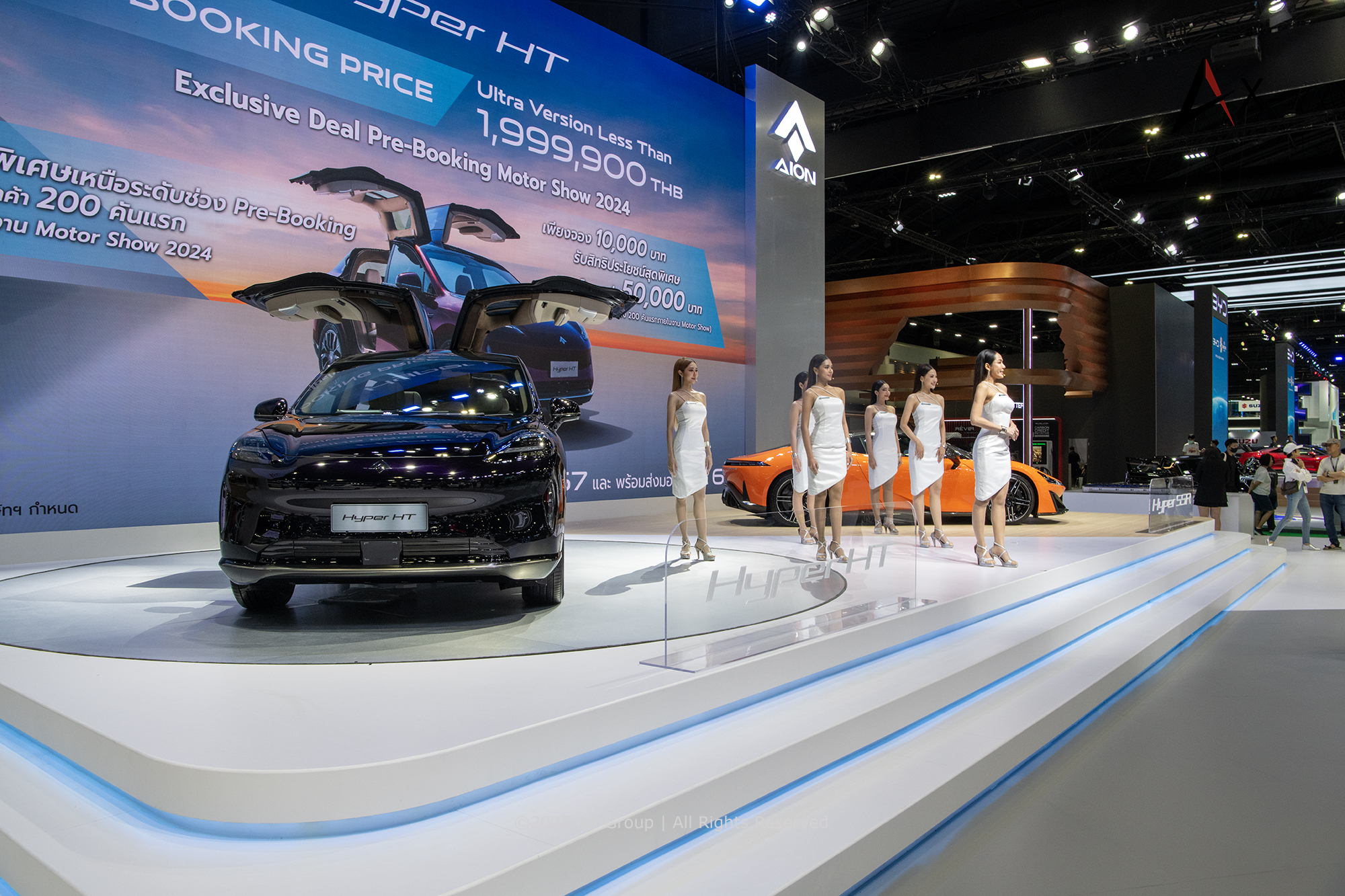
Thailand’s electric vehicle (EV) insurance market is experiencing unprecedented expansion, driven by rapid growth in EV sales led by Chinese brands that have surpassed Japanese automakers in market share.
This bullish growth is accompanied by sustained underwriting challenges, with insurers reporting loss ratios over 80% and repair costs 50% higher compared to internal combustion engine (ICE) vehicles. These factors are expected to put upward pressure on insurance premiums in 2026.
Data from the Thai General Insurance Association (TGIA) and Thai Insurance Research and Development Co. (TIRD) indicate that EV insurance risks are substantially higher than those associated with traditional vehicles. This is due to increased accident frequency, more severe damage per claim, and greater exposure to flood-related damages as climate-related extreme weather events become more common.
Somporn Suebthawilkul, TGIA president, highlighted the findings of the Insurance Bureau System survey of private passenger cars insured with first-class policies in 2024, which reveal significant risk disparities across three key areas.
Accident rates for EVs stand at 74.8%, compared to 47.2% for ICE vehicles, meaning EVs are about 1.6 times more likely to generate claims. In terms of claim severity, the average loss per EV claim is 30,071 baht, considerably higher than the 19,876 baht for ICE vehicles. This reflects the higher costs associated with EV-specific parts such as batteries and the more complex repair processes involved.
As a result, the loss ratio for EVs has risen to 84.3%, significantly above the 61.3% seen for ICE vehicles. These figures highlight the increasing claims burden faced by insurers underwriting EV risks, Mr. Somporn noted.
Thailand’s EV market continues its rapid expansion. By November 2025, cumulative EV registrations had increased by 54% year-to-date, mainly driven by aggressive pricing strategies from Chinese manufacturers.
Although still a small segment, EV insurance policies now represent 3.83% of all first-class private passenger motor policies, with an impressive annual growth rate of approximately 400%, according to industry data.
Looking forward, TGIA and TIRD predict that overall motor insurance premiums—both voluntary and compulsory—will grow by 2-3% in 2026. However, the increasing share of EVs in the vehicle fleet is expected to push industry-wide premiums higher, despite intense market competition.
Several structural factors are shaping the future of the market. First, EV premiums are anticipated to stay higher than those for ICE vehicles due to their increased risk profile, prompting greater demand for comprehensive first-class motor insurance to cover costly repairs and flood damages.
This trend is further amplified by rising exposure to climate-related risks, notably floods, which tend to damage advanced EV systems disproportionately. Additionally, ongoing digitalisation, including electronic policies and stricter vehicle registration enforcement, is supporting steady growth in mandatory insurance coverages.
While EV adoption remains a long-term growth driver for the insurance sector, industry experts suggest that insurers will need to adjust premiums prudently, focusing on risk-based pricing, segmentation, and claims management to sustain profitability.
Analysts agree that premium adjustments are likely in 2026, as insurance companies recalibrate their underwriting strategies to reflect the true costs of EV risks, balancing market expansion with financial stability.