

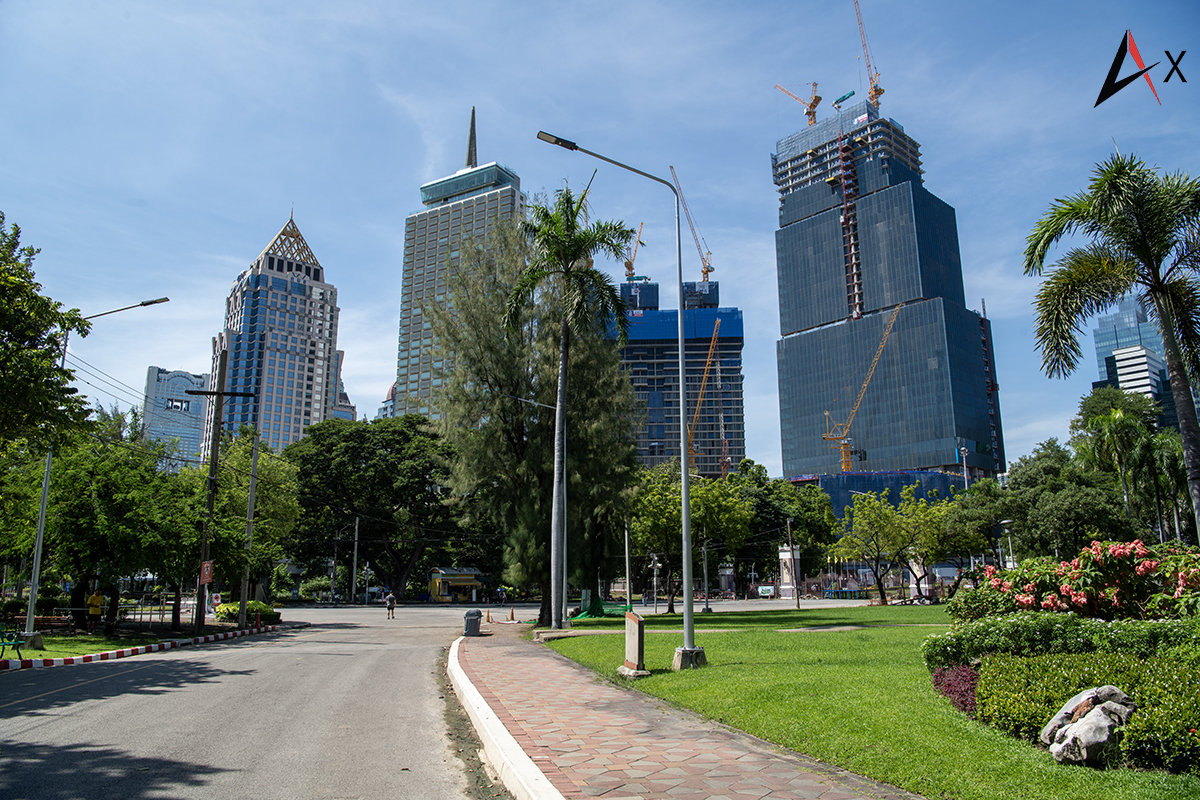
Lumpini Park, located in central Bangkok, is marking its 100th anniversary with a significant facelift. As construction barriers and signs appear throughout the park, they symbolize more than just renovations—they represent a renewed hope that this landmark will serve not only as a recreational space but also as a symbol of harmony between different generations and nature.
The Bangkok Metropolitan Administration (BMA) has embarked on an ambitious, three-phase plan to transform Lumpini into a space that fosters cultural integration. The project aims to promote diverse recreational activities through design that emphasizes inclusivity and climate resilience, focusing on regenerative features.
The first phase focuses on upgrading existing facilities. This includes the recent opening of two new public toilets, sponsored by Central Group, in August. These modern facilities are clean, accessible, and equipped with amenities for disabled visitors and families with babies. Notably, new lockers have been installed, but users must bring their own padlocks. This project, alongside the development of a dog park supported by the Japanese Chamber of Commerce, showcases a successful public-private partnership.
However, Bangkok governor Chadchart Sittipunt acknowledged that maintaining these facilities long-term remains a challenge. Past renovations have often been short-lived, with facilities quickly falling into disrepair or becoming targets for theft.
Another eagerly awaited development is a new street food vendor center on Ratchadamri Road, expected to open in early 2026. This initiative aims to improve the quality and organization of street food offerings, relocate vendors to designated areas, and give opportunities to new sellers. The project is modeled after Singapore’s successful vendor management system from the 1960s and could serve as a template for similar projects in other parks.
Plans are also underway to enhance connectivity between Lumpini Park and Benjakitti Park through a new corridor, complementing the existing 1.3 km bike path known as the Green Bridge. The corridor may feature a five-storey viewing tower and spiral walkway to serve as new landmarks, but funding for these features is still being secured.
The later phases of lumpini’s renovation include constructing a 500-car underground parking lot, installing flood prevention systems, and creating designated areas for urban farming and public events. These projects are awaiting approval for funding, and their timelines remain uncertain. Nevertheless, ongoing improvements to the park’s infrastructure already offer hope that Lumpini will soon become an even better space for Bangkok residents—a green oasis in the city.