

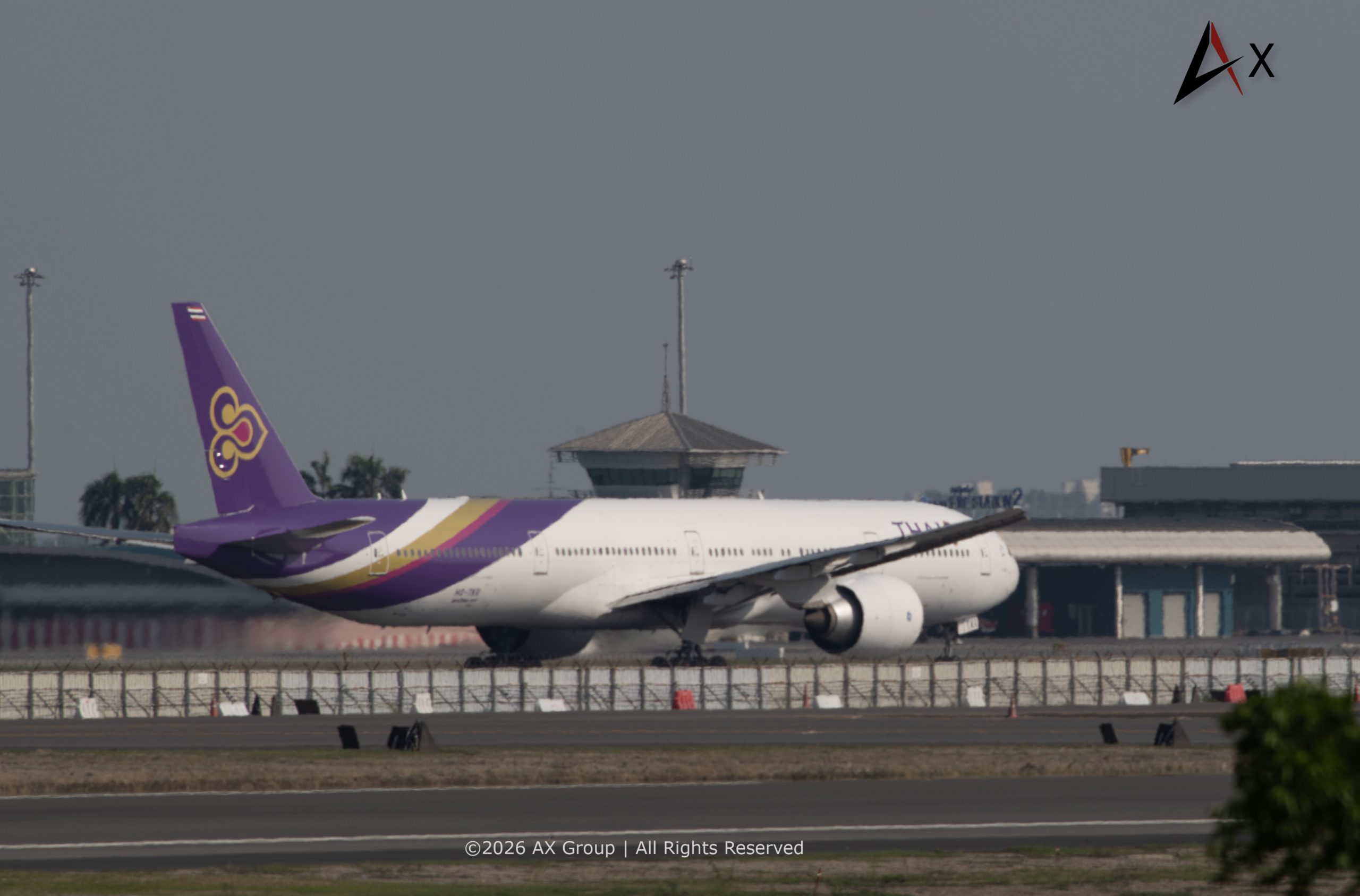
Thai Airways International plans to expand its European flight network while closely managing fuel costs and route operations amid concerns over geopolitical tensions and the ongoing conflict in the Middle East.
According to the airline, the International Air Transport Association has warned of possible short-term jet fuel shortages and potential flight disruptions in parts of Europe and Asia. Despite this, global air travel demand is still forecast to more than double by 2050, driven largely by growth in the Asia-Pacific region.
THAI confirmed it will resume daily Bangkok-Amsterdam flights from July 1 as part of its broader expansion plans. The airline currently operates services to 62 domestic and international destinations during the summer schedule.
To manage uncertainty, THAI said it has implemented proactive measures including fuel hedging, fuel efficiency improvements, route optimisation, and adjustments to flight frequencies based on passenger demand. The airline is also focusing on high-potential, lower-risk markets while delaying non-essential investment projects to preserve liquidity.
Thailand’s tourism outlook has softened due to global economic pressures, fuel price volatility, trade tensions, and weaker demand from Europe, the Middle East, and the United States. The Tourism Authority of Thailand recently lowered its 2026 visitor forecast to 30–34 million arrivals.
For the first quarter of 2026, THAI reported revenue of 51 billion baht, down 1.2% year-on-year, while net profit rose 2.7% to 10.1 billion baht. As of March 31, the airline operated a fleet of 80 aircraft.