

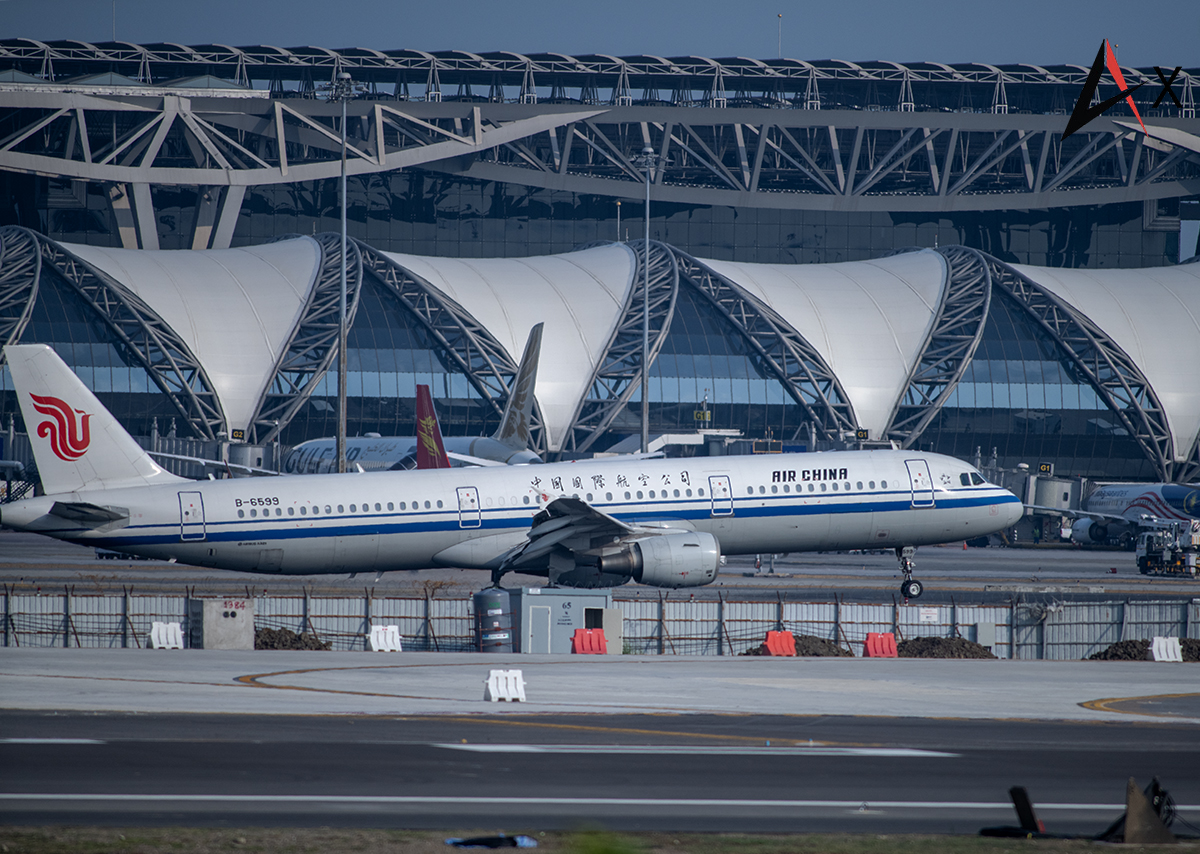
The Civil Aviation Authority of Thailand (CAAT) is requesting a one-year slot waiver from China amid a decline in Chinese tourist arrivals.
ACM Manat Chavanaprayoon, CAAT’s director-general, stated that discussions with Chinese officials are ongoing to seek temporary relief from airport slot usage requirements, as demand from Chinese travelers remains subdued.
Although China was once Thailand’s leading source of tourists, the recovery has halted due to shifts in travel habits and ongoing safety concerns.
Despite the drop in Chinese visitors, Thailand is experiencing increased interest from other regions. “We’ve noticed an uptick in visitors from the Middle East and neighboring ASEAN countries,” Mr. Manat said, adding that CAAT is now focusing on attracting high-spending Chinese tourists ahead of the year-end peak season.
From February to June 2025, Thailand handled 72.68 million air passengers and 467,000 flights — still 13.11% below pre-pandemic levels. Of these, 39.31 million were international travelers, and 33.37 million were domestic.
Meanwhile, Thai Airways CEO Chai Eamsiri noted that bookings for the end of 2025 are increasing. While the decline in Chinese tourists has impacted the industry, the airline remains optimistic that demand from other markets will help compensate.
The Tourism Authority of Thailand (TAT) aims to attract 5 million Chinese visitors this year, down from an initial target of 6.9 million. Strategies include charter flights, enhanced travel packages, and expanded city-to-city connections with second-tier Chinese cities as part of broader stimulus efforts.
CAAT continues its efforts to position Thailand as a regional aviation hub, with infrastructure improvements and international route expansions a priority. Recently, the authority approved Air Operating Licenses (AOLs) for two new carriers: FlyIntira on April 30 and Siam Wings Airline on May 22, according to Mr. Manat.
Additionally, the government has reassured international travelers that the country remains safe, despite recent conflicts near the Cambodian border. TAT clarified that the situation is limited to specific areas in Ubon Ratchathani, Si Sa Ket, Surin, and Buri Ram.