

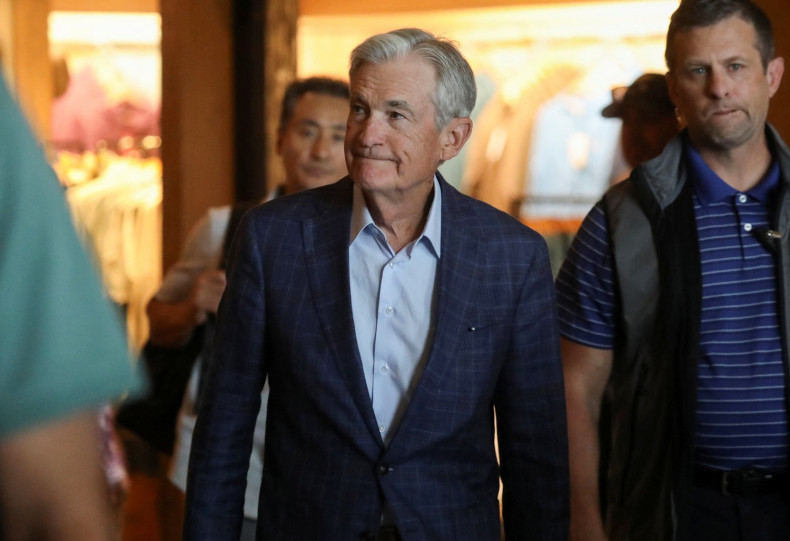
During his speech at the Federal Reserve’s annual conference, US Federal Reserve Chairman Jerome Powell signaled the possibility of a rate cut at the September meeting but stopped short of making any definitive commitments.
His comments navigated a cautious path, recognizing increasing risks to the job market while also noting that inflation remains a concern.
“Although the labor market seems to be in balance, it’s a strange kind of balance driven by a significant slowdown in both the supply of and demand for workers,” Powell explained.
He added, “This unusual situation suggests that downside risks to employment are growing, and if those risks materialize, they could do so swiftly.”
At the same time, Powell acknowledged that tariffs could exert upward pressure on prices, potentially fueling a more persistent inflation trend, a risk that the Fed needs to monitor and manage. He expressed optimism that, in the baseline scenario, the inflationary impact from tariffs would eventually diminish.
Powell’s remarks leave open the possibility of a rate reduction at the upcoming Sept 16-17 Federal Open Market Committee (FOMC) meeting but emphasize that upcoming employment and inflation data will heavily influence the decision.
The speech also appears to have stirred further pressure from President Donald Trump, who argues there’s little risk of inflation and urges the Fed to cut rates immediately. Trump has recently intensified his calls for Powell’s resignation, along with those of Fed Governor Lisa Cook, in an attempt to influence the composition of the central bank’s board.
Powell’s term is set to end in May 2026. While President Trump initially promoted Powell from the Board of Governors to chair, he has since been critical of him. President Biden reappointed Powell for a second term, which runs until 2026.
The Fed has kept its benchmark interest rate steady at 4.25% to 4.50% since December, as it evaluates the potential inflationary effects of incoming policies from the Trump administration. July’s inflation rate stood at 2.7%, above the Fed’s 2% target, and is expected to rise further as new tariffs influence consumer prices.
Some policymakers, including Governor Christopher Waller—a potential candidate to replace Powell—believe the inflation impact from tariffs will be limited and short-lived, arguing that rate cuts are necessary now to support a weakening labor market.