

Photo Credit: DOUG MILLS/NYTIMES
Donald Trump announced on March 26 that he would postpone previously threatened strikes on Iranian energy infrastructure, citing ongoing diplomatic engagement and what he described as “very positive” progress in talks with Iran.
In a statement posted on Truth Social, Trump said the United States would extend the deadline for potential action by 10 days, pushing it to April 6 at 8 p.m. Eastern Time. He indicated the decision followed what he described as a request from Tehran, though reports from The Wall Street Journal, citing mediators, suggested Iran had not formally sought such a pause.
The US president had initially issued a 48-hour ultimatum on March 21, demanding that Iran reopen the strategically vital Strait of Hormuz to oil tankers or face military action targeting its power plants. The deadline has since been extended twice amid signs of diplomatic movement.
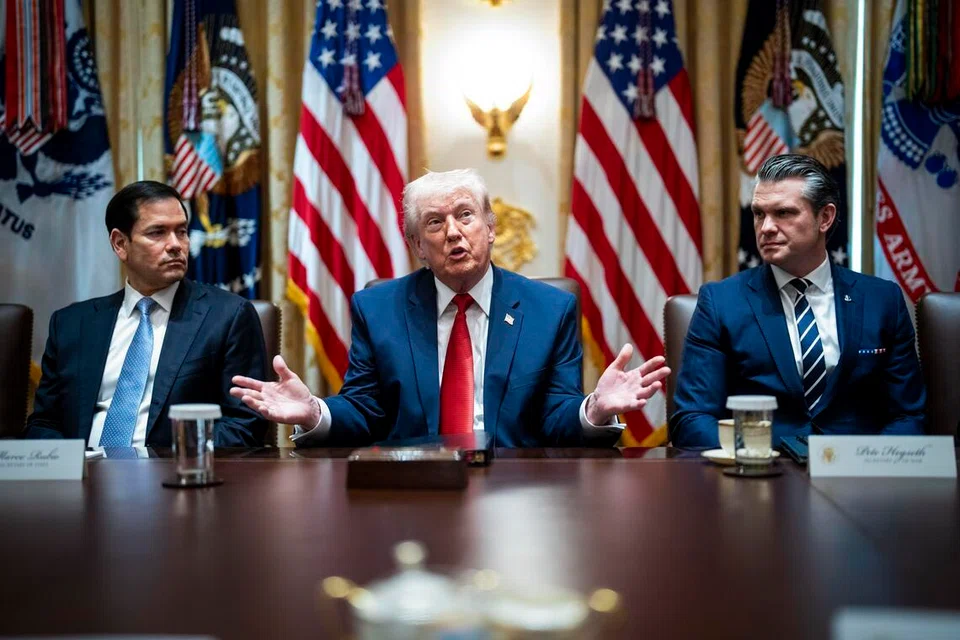
US envoy Steve Witkoff told a Cabinet meeting there were “strong indications” that Tehran was willing to negotiate. He confirmed that Washington had delivered a 15-point proposal to Iran via intermediaries in Pakistan, marking the first public acknowledgment of the framework.
Iran, through its semi-official Tasnim News Agency, reported that it had responded to the US proposal through mediators and was awaiting a reply. According to the report, Tehran’s conditions include a halt to US and Israeli military actions, cessation of attacks on Iran-backed groups such as Hezbollah, compensation for damages, and recognition of Iran’s sovereignty over the Strait of Hormuz—demands that significantly exceed the scope of the US proposal.
Despite diplomatic signals, Trump maintained a hardline tone, alternating between threats of force and claims that Iran was nearing a deal. He suggested that Washington could even take control of Iranian oil resources, drawing comparisons to US policy toward Venezuela.
Meanwhile, tensions remain high on multiple fronts. In Israel, opposition leader Yair Lapid warned that the ongoing conflict is placing excessive strain on the Israel Defense Forces, citing insufficient manpower and lack of strategic clarity. Military officials have also indicated the need for additional troops, particularly along the Lebanese front.
On the ground, hostilities continue to escalate. Iran has been under near-daily bombardment since late February, with recent strikes reported in cities including Isfahan, Shiraz, Bandar Abbas and Tabriz. Iran also claimed that Israeli attacks had killed senior military figures, including Revolutionary Guard naval commander Alireza Tangsiri.
The broader region has seen a rise in violence, with missile and drone attacks affecting Gulf states such as the United Arab Emirates, Saudi Arabia and Kuwait. Iran has accused these countries of supporting US operations, targeting energy infrastructure in response.
Oil markets remain volatile amid the uncertainty. While prices had eased in recent days, mixed signals surrounding negotiations triggered another uptick on March 26, reflecting ongoing concerns over supply disruptions tied to instability in the Gulf.