

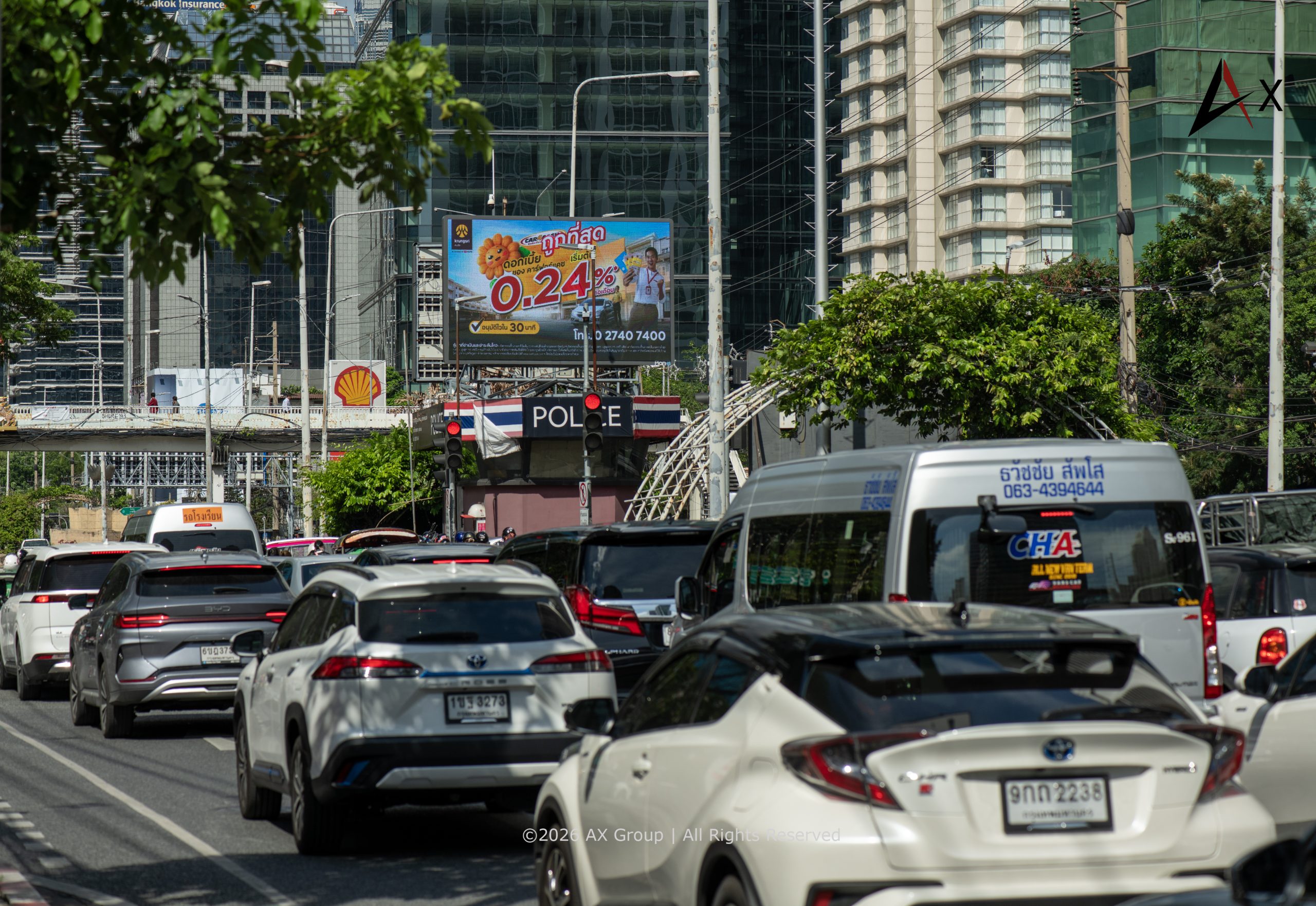
Bangkok’s traffic congestion has long been one of the defining characteristics of the Thai capital, evolving over decades alongside the city’s rapid urban growth and economic expansion.
In earlier decades, Bangkok was widely known as the “Venice of the East,” with canals serving as the primary transportation routes for residents and businesses. Boats moved people and goods efficiently through the city’s waterways, reducing dependence on roads. However, as Bangkok modernised throughout the 1960s and 1970s, many canals were filled in to make way for expanding road networks and urban development.
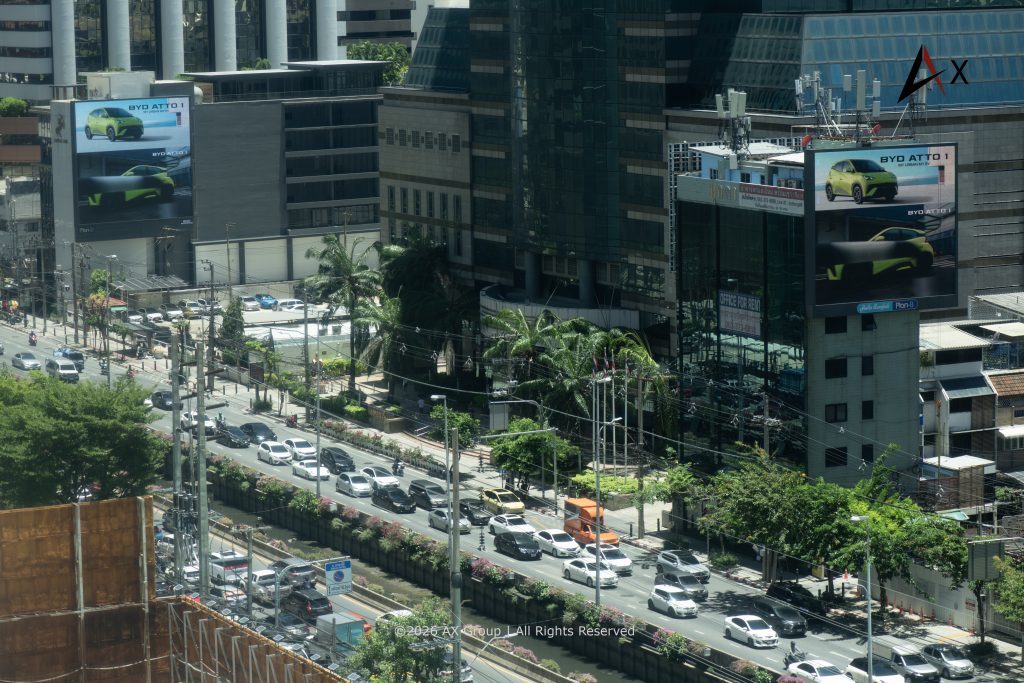
The city’s rapid economic boom during the 1980s and 1990s brought a sharp increase in private vehicle ownership. New office towers, shopping centres, industrial zones, and residential developments transformed Bangkok into a major regional business hub. However, infrastructure development struggled to keep pace with the growing population and rising number of vehicles on the roads.
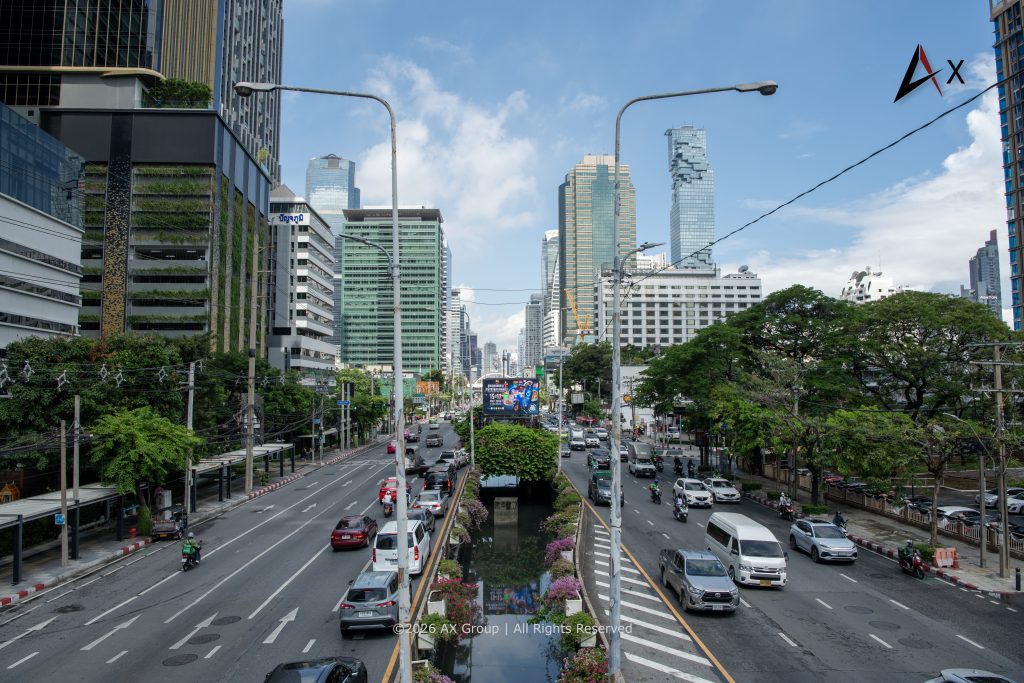
By the 1990s, Bangkok had gained international attention for having some of the world’s worst traffic congestion. Commuters regularly spent hours travelling short distances, particularly during rush hours on major routes such as Sukhumvit Road, Sathorn, Rama IV, Phetchaburi, and Vibhavadi Rangsit. The situation also contributed to increasing air pollution and economic losses caused by delays and fuel consumption.
In response, Thailand invested heavily in public transportation infrastructure. The launch of the BTS Skytrain in 1999 marked a major turning point in Bangkok’s urban transport system, followed by the MRT underground network in 2004 and subsequent airport rail and mass transit expansions. Elevated expressways and ring roads were also introduced to ease congestion across key districts.
Despite these developments, Bangkok continues to face significant traffic challenges today. Rapid urban expansion, ongoing construction projects, tourism growth, and a high dependence on private vehicles continue to place pressure on the city’s transport network. Traffic congestion often intensifies during peak business hours, public holidays, heavy rainfall, and major events.
Today, Bangkok remains a vibrant and fast-moving metropolis where traffic conditions reflect both the opportunities and growing pains of one of Southeast Asia’s largest and most dynamic cities.