Thailand's Board of Investment (BOI) approved nine major investment projects worth a combined $1.99 billion (66.3 billion baht) on July 8, spanning artificial intelligence, advanced electronics, aviation, clean energy and food, as global manufacturers reposition their supply chains across Southeast Asia. The approvals, cleared during a BOI meeting chaired by Deputy Prime Minister and Finance Minister Ekniti Nitithanprapas, underscore Thailand's push to attach itself to the next wave of AI-driven industrial growth.
AI Infrastructure Leads the Investment Wave
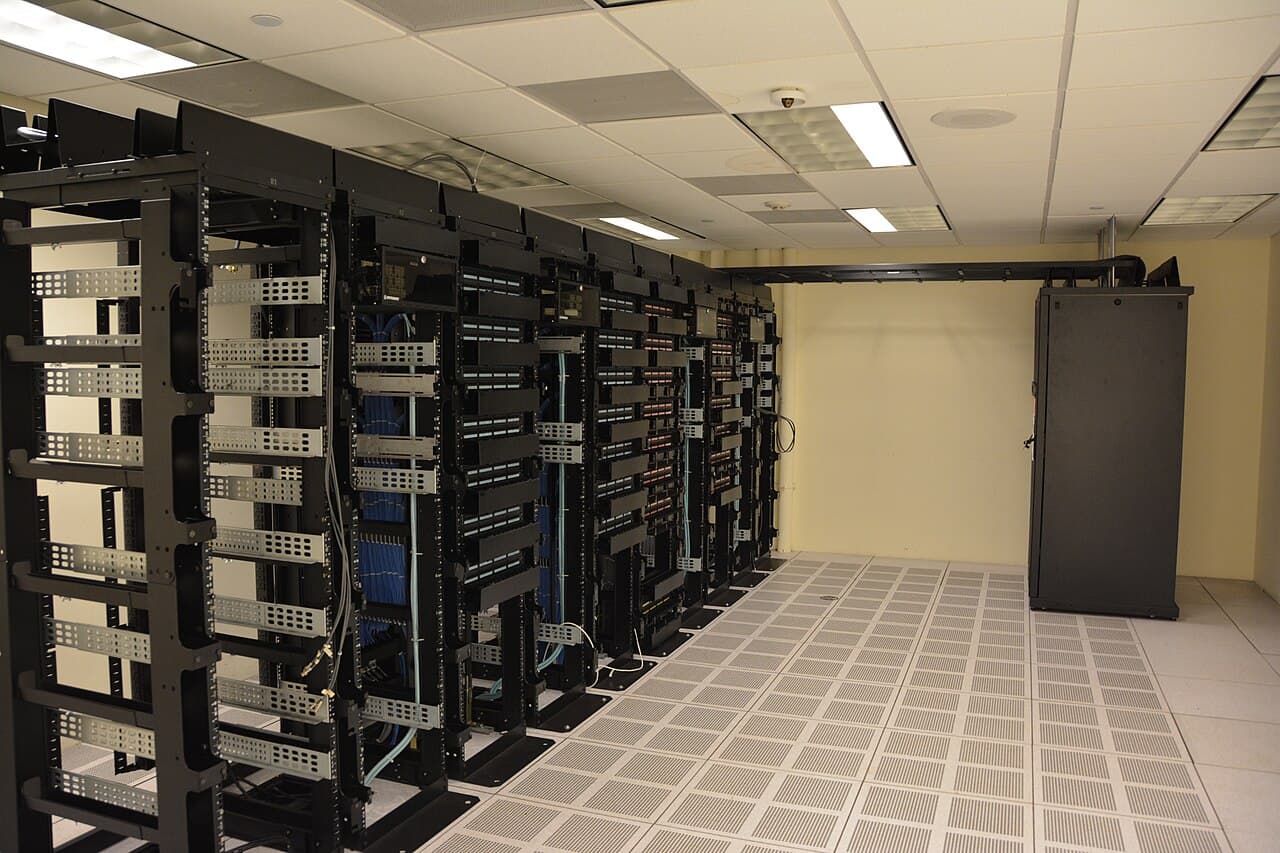
The largest share of approvals covers Thailand's advanced electronics and digital sector, led by companies from East Asia's technology supply chains. Datasection (Thailand), a subsidiary of Japan's Datasection Inc., will invest $235.2 million (7.8 billion baht) to build high-performance GPU server infrastructure for data hosting in Bangkok and Pathum Thani, hardware that will directly power AI applications in the region. South Korea's Doosan Electro-Materials will invest $180.2 million (6 billion baht) in Samut Prakan to manufacture copper-clad laminate and prepreg, critical inputs for printed circuit boards, while Taiwan Union Technology is investing $189.2 million (6.3 billion baht) in Chonburi on materials designed specifically for AI servers and data centers. Fulltech Fiber Glass will add $99.4 million (3.3 billion baht) in Chachoengsao to produce the glass fiber fabric used in PCB manufacturing.
Energy Rules Rewritten for Data Centers
To accommodate the influx of hyper-scale projects, the BOI has restructured its energy panel into the Subcommittee on Energy Management for Data Center Investment and Project Screening, chaired by the Minister of Energy, which will vet data center proposals on resource use, environmental impact and clean energy sourcing before investors can apply for tax incentives. The government has also fast-tracked a seven-point energy action plan, including a dedicated utility tariff for data centers, aligning green energy targets with the national Power Development Plan, facilitating clean power trading through Direct Power Purchase Agreements, new electricity usage guarantee rules, and mapping water and power availability to guide future site selections. "We are building the infrastructure needed for the next wave of future-industry investment," said Narit Therdsteerasukdi, Secretary General of the BOI.
Beyond Tech: Coffee, Aircraft and Wind Power
Not all of the approved investment went to technology. Switzerland's Nestlé is committing $688.7 million (22.9 billion baht), the single largest project, to expand its Samut Prakan facilities for instant, mixed and ready-to-drink coffee aimed at both domestic and regional Southeast Asian markets. National carrier Thai Airways International secured approval for two expansion projects worth a combined $430.2 million (14.3 billion baht) to lease eight passenger aircraft for its international network. On the clean energy side, Lomrak Green Energy will invest $168.7 million (5.6 billion baht) in two wind power projects in Lopburi province, delivering a combined 120 megawatts to the national grid to help meet the power demands of energy-hungry industrial users, including data centers.
Part of a Broader Growth Story
The BOI approvals arrive as Thailand's Monetary Policy Committee upgraded its 2026 GDP growth forecast to 2.3%, up from 1.5% at its April meeting, citing the upswing in the global technology cycle and rising AI and cloud investment by major US technology firms, which has boosted demand for Thai electronic products and components. The central bank held its policy rate at 1.00%, saying the level remains appropriate to support recovery while managing inflation risks. Applications for BOI promotion in electronics, digital industries and AI infrastructure have been rising through the year, making technology exports a key growth driver even as the committee flagged uneven recovery among SMEs and debt-burdened households.