From Railway Junction to Cultural Economy
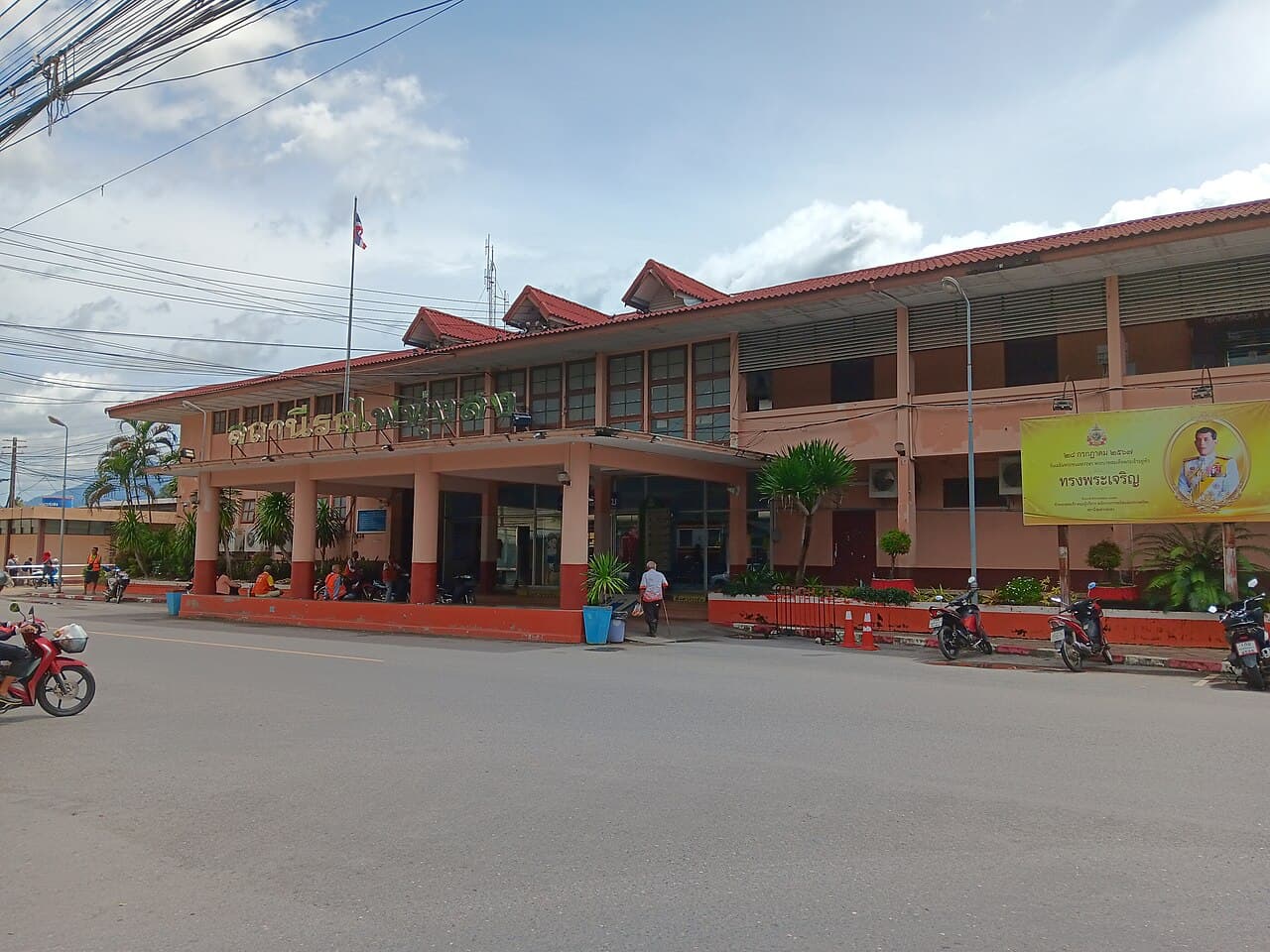
Nakhon Si Thammarat is the second-largest province in southern Thailand by land area, spanning 23 districts. Thung Song, one of those districts, has no ancient temples to draw on like the provincial capital. What it has is a history as a trade and rail transport junction. A research project backed by Thailand's Ministry of Higher Education, Science, Research and Innovation, called "Managing Community Cultural Media to Elevate a Secondary City into a Creative Economic City," set out to turn that ordinary identity into an economic asset. "A city doesn't need a large number of ancient monuments to build a cultural economy," said Dr Thanaphon Watthanakul, who chairs the committee overseeing the program. "What matters is finding the area's genuine cultural capital and managing it properly." Researcher Piyanart Klinpakdee, who has worked in Thung Song for eight years, said the effort began in 2017 with a detailed cultural map of the town's 7.17-square-kilometre municipal area, developed with Silpakorn University, which led residents to form the Thung Song Urban Culture Civic Committee and build a shared identity known as "Thung Song Niyom," or "Thung Song Pride."
Revenue Up Fourfold as the Model Spreads
The turning point came on 14 January 2018, when the community opened the "Lhad Chumthang Thung Song" walking-street market at the Chon Preeda intersection, deliberately designed to keep money circulating among local vendors rather than outside traders. It has since run continuously through its 394th session. Dr Thanaphon said the model has driven community market turnover from an initial 173,000 baht a day up to 600,000 baht a day, more than four times its starting level. The town's cultural map has since grown into four districts: a community economic and cultural hub; a historic junction area telling the story of the town's roots; a former railway housing estate with more than 100 century-old wooden houses and one of Thailand's few remaining locomotive turntables; and a district tied to Yip In Soi, a private mining and agriculture firm that marked 100 years in Thung Song this year. The area has also promoted its own food culture, including "ya nom," a sticky-rice dessert slow-cooked for up to 12 hours that now sells for 300 to 350 baht a kilogram, and the "Peta Festival," a reworking of the Sart Duean Sib merit-making tradition. Homestays and mid-sized hotels have since opened across the district, including one major chain investing directly rather than through a franchise. "Every city's context is different and can't be fully copied," Dr Thanaphon said. "Turning cultural capital into genuinely sustainable community income requires knowing a city's own roots."