

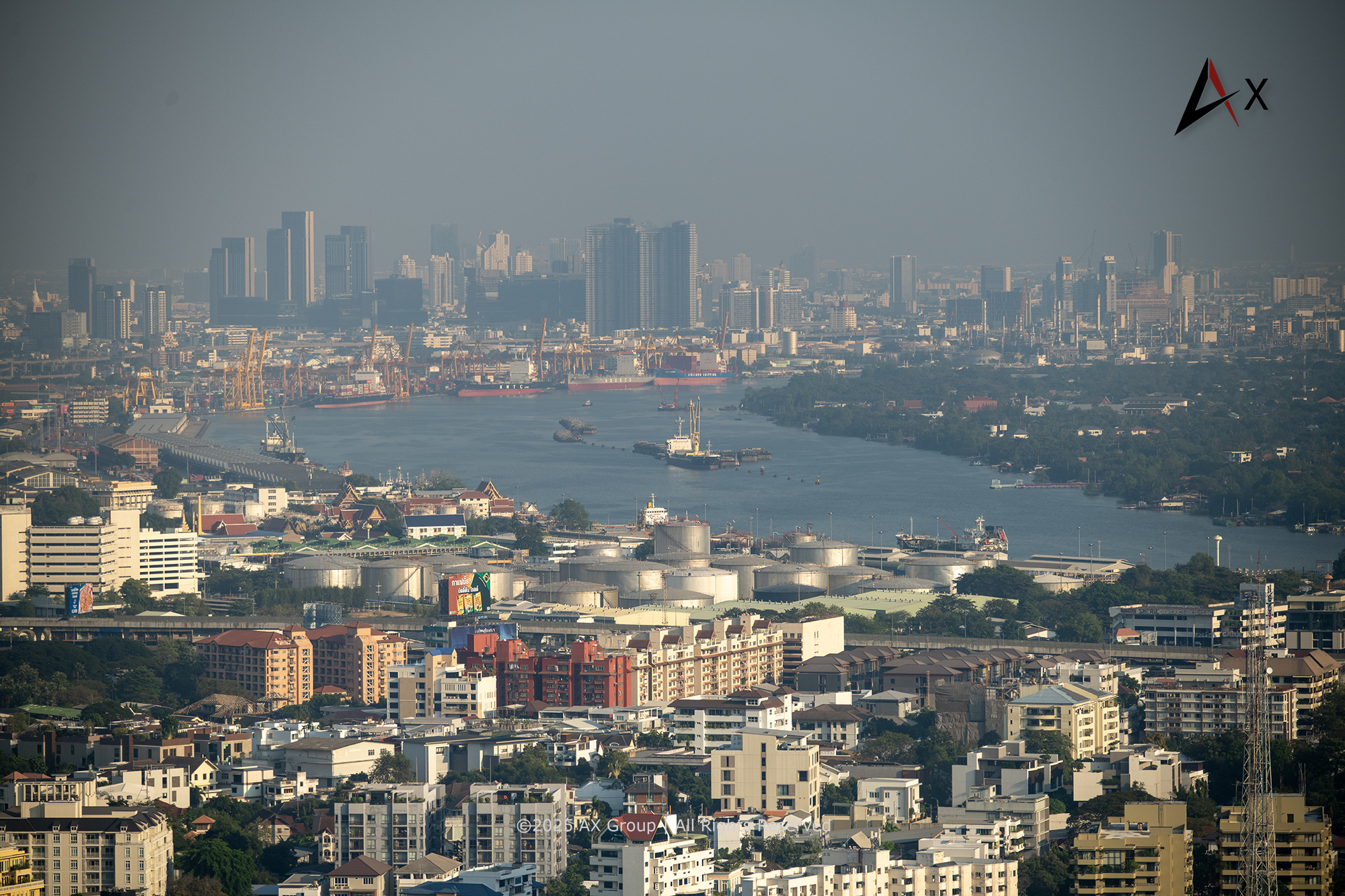
Thailand’s exports in 2026 are expected to face volatility and challenges due to a global economic slowdown, high household debt, geopolitical uncertainties, and rising trade protectionism, according to the Thai National Shippers’ Council (TNSC). Dhanakorn Kasetrsuwan, TNSC chairman, highlighted that export growth will be gradual and uneven, driven by shifts toward supply chain security, sustainability, and compliance with new regulations.
Risks include sluggish recovery in major markets like the US and Europe, fierce competition from low-cost producers, exchange rate fluctuations, and trade barriers. Nonetheless, demand remains strong for food and processed agricultural products, supported by free-trade agreements and diversification of import sources.
TNSC suggests aiming for modest growth of 2-4%, with promising markets in Southeast Asia, the Middle East, India, and certain Chinese sectors. Key challenges involve price fluctuations in labor-intensive and agricultural sectors, and SMEs facing intense competition. Strategies include product value addition, risk management, and cost reduction.
Industrial sectors like electronics, automotive, and machinery are expected to thrive due to global shifts towards digital and high-value technology. Conversely, sectors such as petroleum, gems, and luxury items may face setbacks amid energy price fluctuations and stricter trade barriers.
Overall, the sector must adapt to trade protectionism, geopolitical risks, and inflation. Opportunities exist in emerging markets like India and CLMV countries, which benefit from production shifts and strong local demand.