

Thailand’s manufacturing industry is preparing for a challenging start to 2026, driven by ongoing political instability, weak domestic demand, and structural issues within the sector. Industry leaders warn that unresolved problems like household debt and the influx of cheap imports could prolong difficulties, despite government efforts to invigorate growth.
The delay in holding a general election and forming a new government limits the caretaker administration, led by Anutin Charnvirakul, from implementing decisive policies. Key economic initiatives and budget allocations for certain projects remain stalled, creating uncertainty for businesses.
Kriengkrai Thiennukul, chairman of the Federation of Thai Industries (FTI), expressed concern that renewed political uncertainty early in 2026 could hinder government spending and economic activity. He also cautioned that manufacturers might face another tough year amid signs of a sluggish economy.
Manufacturing Sector Outlook
The FTI forecasts a continued slowdown in Thailand’s manufacturing sector in 2026, especially among small and medium-sized enterprises (SMEs). Many SMEs are still recovering from the pandemic’s impact, grappling with liquidity shortages and increased vulnerability to external shocks.
Compounding the challenge is the rise of low-cost imports, notably from China, which undermines local competitiveness. Kriengkrai noted that SMEs are burdened by financial constraints while also facing stiff competition from cheaper imports.
To support these businesses, the government introduced the “Quick Big Win” initiative, including a 50-billion-baht credit guarantee scheme through the Thai Credit Guarantee Corporation (TCG). The scheme offers low or waived guarantee fees during the first three years of its seven-year term. TCG President Sittikorn Direksoonthorn emphasized the urgency, as commercial bank lending contracted for five consecutive quarters, with SME lending decreasing by 3.3% and 4% in recent quarters due to high credit risk and competitiveness issues.
In response to the import challenge, caretaker Industry Minister Thanakorn Wangboonkongchana announced new measures. The Thai Industrial Standards Institute, working with Customs, is inspecting imported products—143 items are now subject to certification to ensure quality and safety—aiming to reduce substandard imports. The FTI warned that production levels could decline if issues like cheap imports are not addressed, although some projections suggest a modest 1–2% growth due to government stimulus and easing global interest rates.
Industry leaders are calling for deeper reforms, including restructuring sectors, investing in high-tech and innovation, regulatory improvements, and workforce training. The government-approved plan aims to upskill 100,000 workers in critical industries, such as biotechnology, advanced food processing, biofuels, next-generation automotive, electronics, robotics, digital tech, healthcare, defense, and green industries.
Automotive Sector Uncertainty
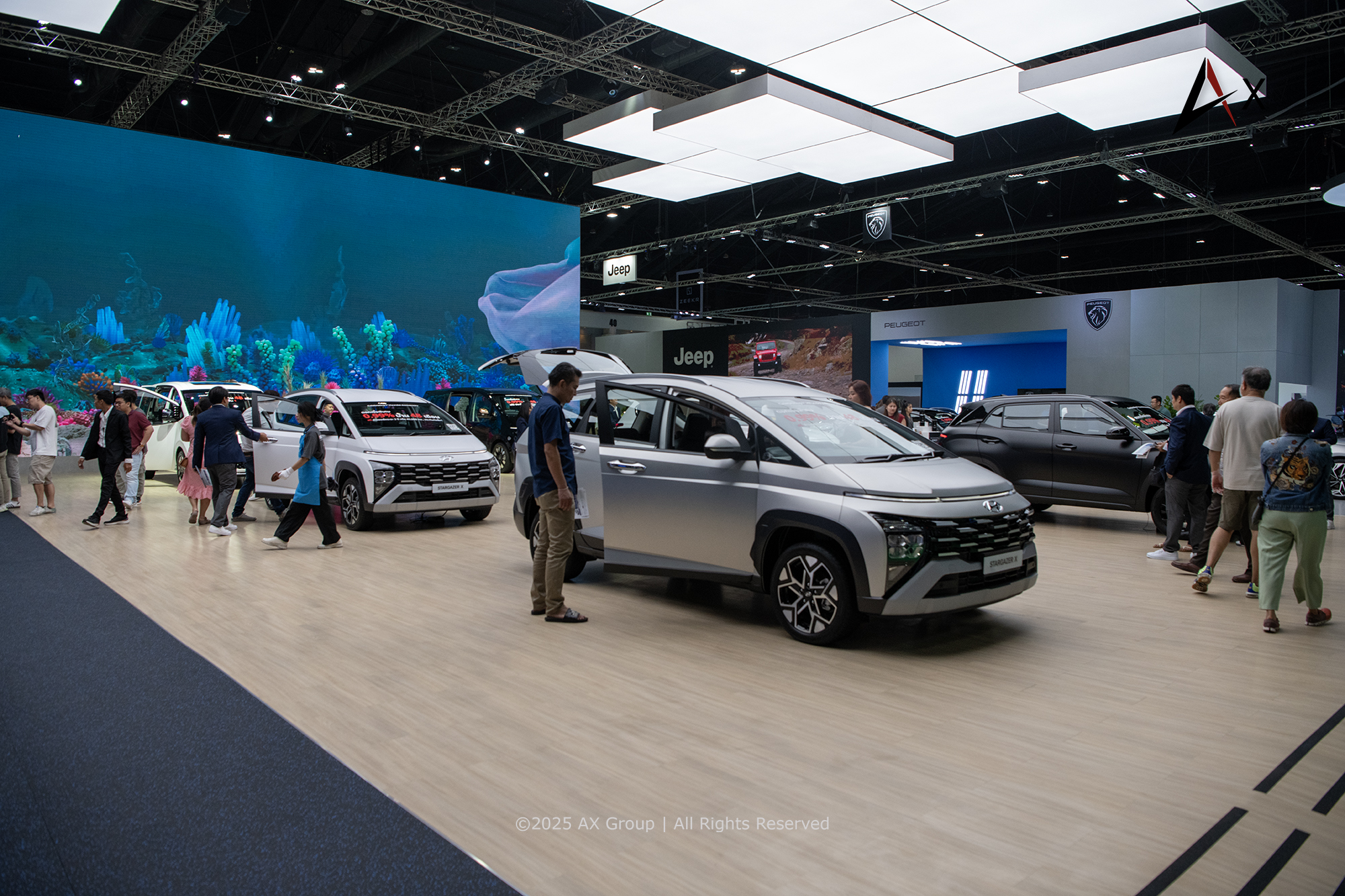
The automotive sector, a key pillar of Thai manufacturing, showed signs of recovery late in 2025, with domestic vehicle sales increasing sharply in November—particularly for electric vehicles (EVs). Battery EV sales surged by 91%, surpassing internal combustion engine vehicle sales, which declined nearly 13%. Overall car sales rose by 20.6% to over 51,000 units.
Surapong Paisitpatanapong, vice-chairman of the FTI’s Automotive Industry Club, attributed this boost to more affordable EV prices, lower borrowing costs following the Bank of Thailand’s rate cut, and promotional activities during the Thailand International Motor Expo. However, the outlook for 2026 remains uncertain. The expiration of the EV3.0 incentive scheme at the end of 2025 raises concerns about potential price increases and reduced demand.
The Electric Vehicle Association of Thailand warned that the lack of incentives could slow EV market growth. Consumer demand is also being restrained by high household debt, which remains around 85% of GDP—among the highest in emerging markets—limiting purchasing power. Banks’ cautious lending practices, due to fears of rising non-performing loans, have further constrained auto financing, despite the temporary boost from EV sales.
The Automotive Industry Club has set a production target of 1.45 million vehicles for 2026, including 950,000 for export and 500,000 for the domestic market. The group plans to reevaluate these targets mid-year as more data on market conditions and consumer behavior becomes available.