

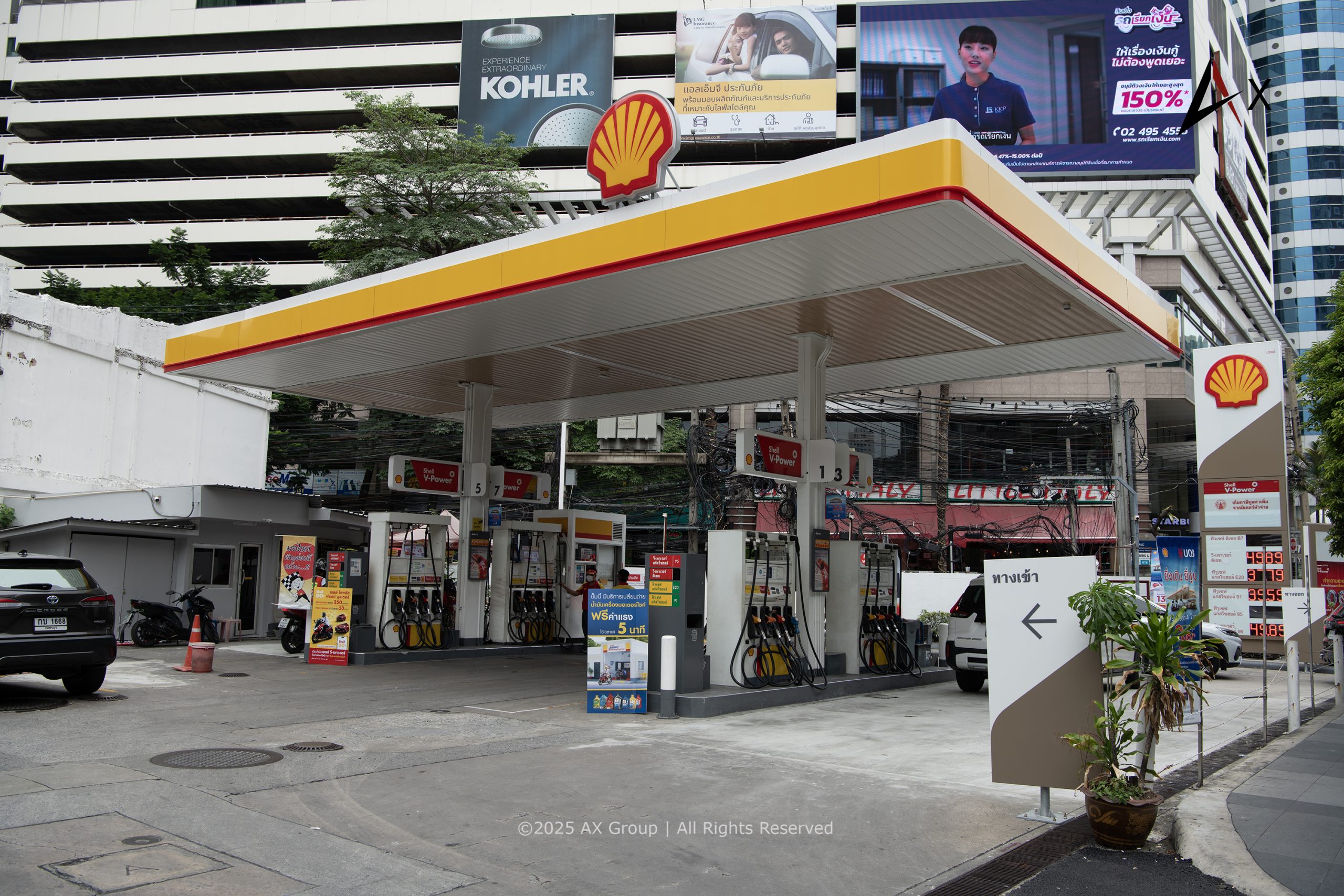
A potential government move to shut petrol stations overnight as early as this week is expected to raise public awareness about tightening oil supplies and rising fuel costs, which are fuelling concerns over economic pressure, an energy industry executive said.
Prime Minister Anutin Charnvirakul stated that authorities could require fuel stations to close between 10pm and 5am if needed, while stressing that any decision would be implemented carefully to minimise disruption for motorists who rely on late-night refuelling.
The proposal highlights increasing concern over Thailand’s oil reserves and ongoing price volatility, with analysts warning these factors could push the economy towards stagflation.
Suwatchai Pitakwongsaporn, president and chief executive of Atlas Energy Plc, said the measure would have a psychological impact, encouraging drivers to conserve fuel by signalling that the situation is not normal.
While acknowledging that oil retailers would face reduced sales, he noted that consumers would likely adjust by refuelling ahead of the nightly closure.
He added that the policy could speed up a shift toward alternative fuels. Demand for LPG-powered vehicles surged in March during the oil shortage, with monthly conversions doubling from around 400 vehicles before the US-Iran conflict to approximately 800.
Converting a car to LPG costs about 20,000–25,000 baht, significantly cheaper than purchasing a new electric vehicle, which typically starts at around 400,000 baht. He also pointed out that electric vehicles are experiencing declining resale values.
According to Mr Suwatchai, EV buyers tend to be middle- to upper-income consumers who already own petrol cars, while lower-income groups are increasingly turning to LPG as a more affordable option.
He believes this shift in fuel preference will persist, driven by historically high diesel prices. Even after the Middle East conflict eases, damaged energy infrastructure—including LNG facilities and refineries—is expected to take two to three years to fully recover, keeping oil prices elevated.
In response to the crisis, Atlas Energy Plc is also reducing costs by introducing flexible work arrangements, including remote working and co-working spaces for sales teams to cut commuting expenses.