Fourth Dinosaur Discovery in Chaiyaphum Province
Thai palaeontologists announced on August 4 the discovery of a new carnivorous dinosaur fossil in Chaiyaphum province, found in a cemetery west of Ban Mai Nong Daeng village in Ban Khwao district after the local community used a backhoe to level ground for the construction of a crematorium. The survey, led by Dr Sita Manitkoon alongside geologists from the Khon Kaen Dinosaur Research Centre and Museum, local officials and villagers, has so far recovered more than 100 fossil pieces, including vertebrae, leg bones, joints, ankle bones and toe bones.
The fossil is estimated to be more than 130 million years old, making it over 20 million years older than Nagatitan chaiyaphumensis, the giant long-necked sauropod identified earlier this year. It is the fourth dinosaur discovery made in Chaiyaphum province and is believed to be the oldest found there so far, belonging to a meat-eating theropod rather than the plant-eating giants the province has previously become known for.
Chaiyaphum Cements Its Place on Thailand's Fossil Map
The new find builds on the province's growing reputation in palaeontology. Nagatitan chaiyaphumensis, believed to be the largest dinosaur ever discovered in Thailand and Southeast Asia, was formally identified after a local villager first spotted unusual fossil-like rocks near a public pond in 2016. Excavations later uncovered vertebrae, ribs and leg bones more than two metres long in rock layers dating back 115 to 100 million years, with the sauropod estimated to have measured 27 to 30 metres in length and weighed more than 26 tonnes. The findings were published in the journal Scientific Reports on May 14, drawing international coverage from outlets including CNN and NPR.
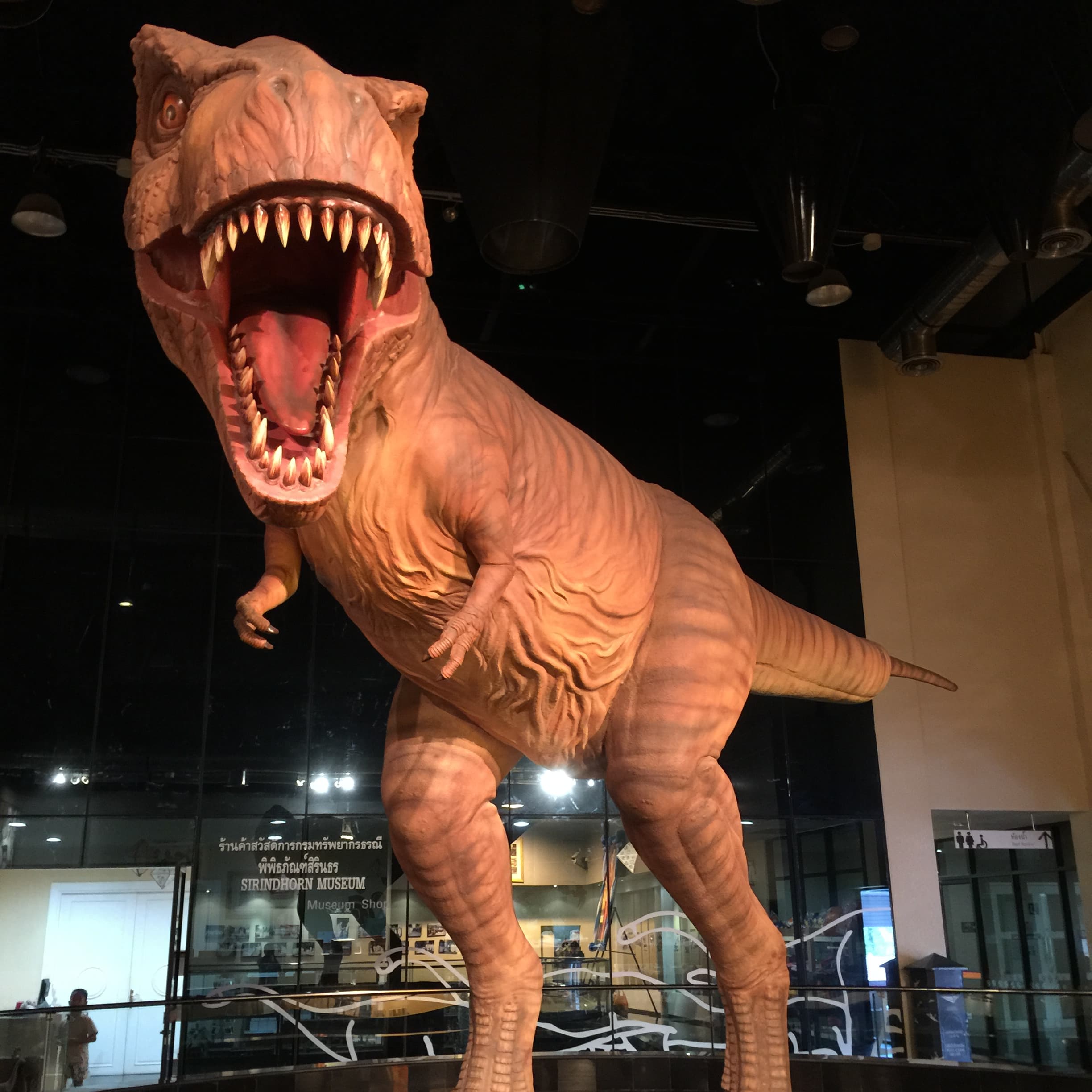
Researchers say analysis of the newly recovered bones is continuing, and further study will be needed before the fossil can be formally classified as a distinct species. The discovery adds to a string of finds that have turned Chaiyaphum, alongside the Sirindhorn Museum in nearby Kalasin province, into one of Southeast Asia's most closely watched sites for dinosaur research.