

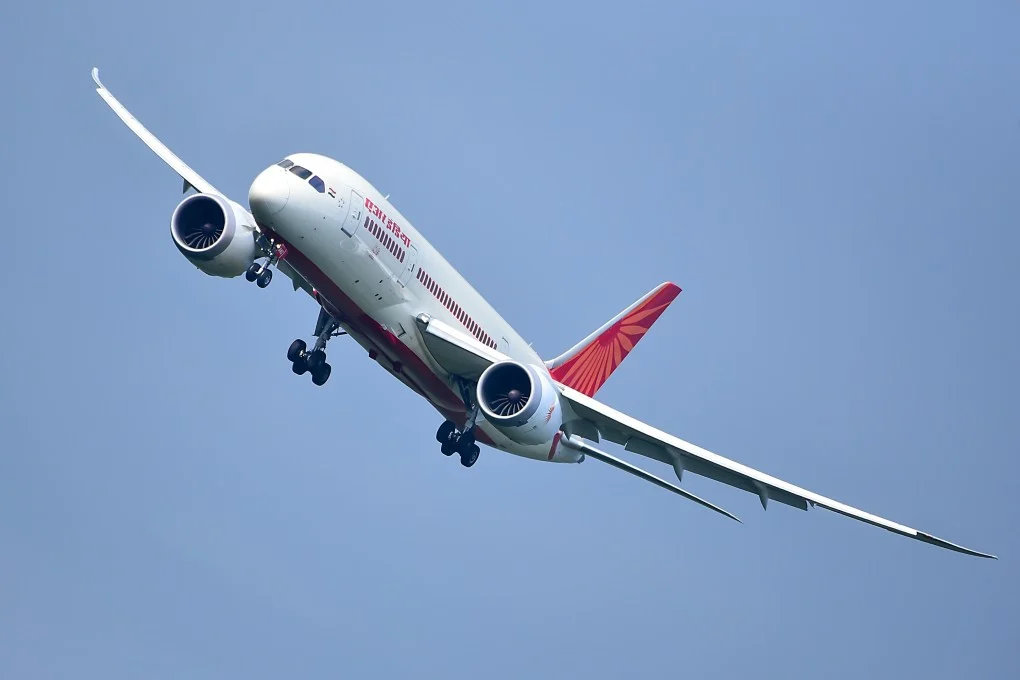
A preliminary report has concluded that a fuel supply disruption caused last month’s Air India crash that resulted in 260 fatalities.
The London-bound Boeing 787 Dreamliner had just departed from Ahmedabad airport when it suddenly crashed back to the ground, with only one passenger surviving.
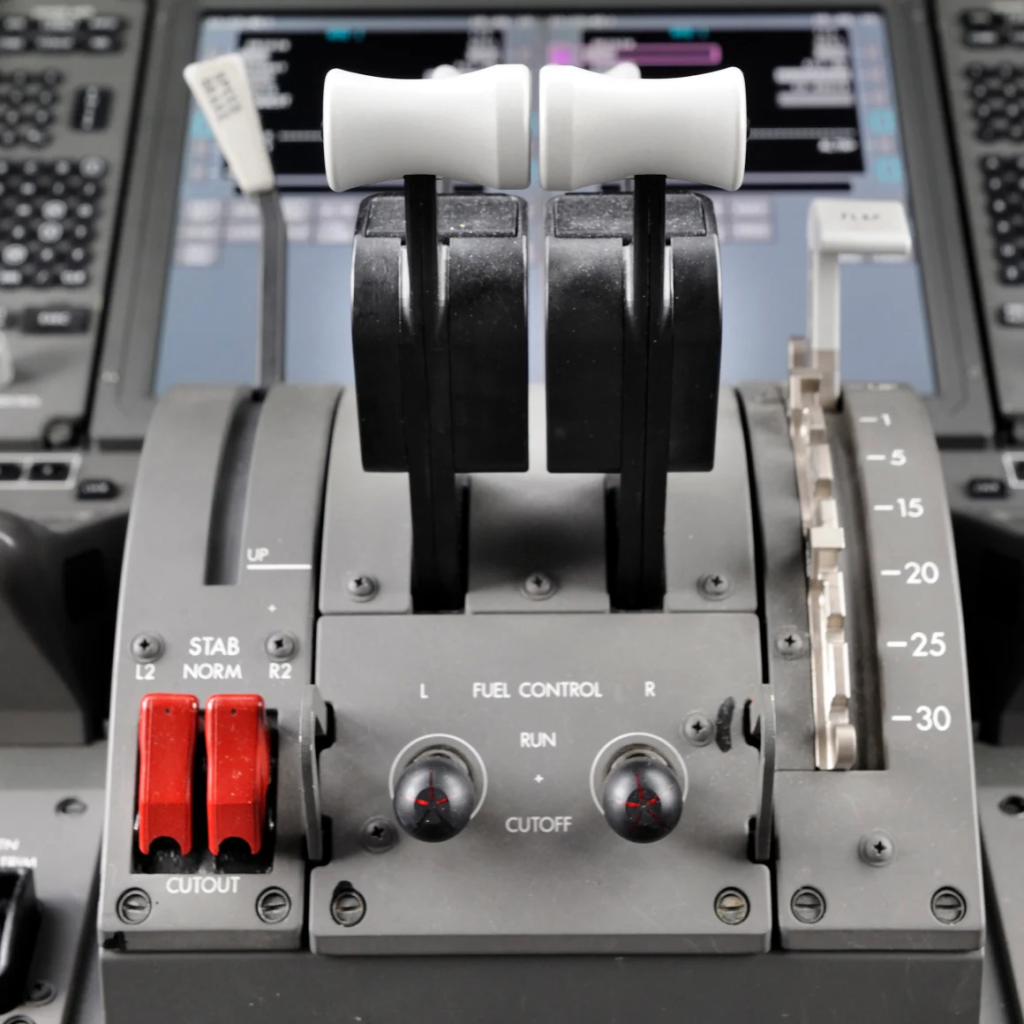
India’s Aircraft Accident Investigation Bureau, in a report obtained by CNN, revealed that the cockpit’s fuel control switches had been switched off, cutting off fuel to the engines.
Analysis of the plane’s “black box” data—covering 49 hours of flight information and two hours of cockpit audio, including recordings from the crash—showed that the aircraft had reached 180 knots when both engines’ fuel cutoff switches were moved from the “RUN” position to “CUTOFF” in quick succession, separated by just one second.
A cockpit voice recording captured one pilot asking the other why the switch was turned off, to which the other replied that he had not done so. Shortly afterward, the switches were returned to their normal position, and the engines began to power up before the crash occurred.
The fuel cutoff switches are located between the pilots’ seats, just behind the throttle levers, protected by a metal bar and a locking mechanism intended to prevent accidental activation.
Airport footage shows the deployment of the Ram Air Turbine, an emergency power source on the aircraft, during the plane’s initial climb after takeoff, according to the report. The aircraft began losing altitude before crossing the airport perimeter wall.
The report states, “When fuel control switches are moved from CUTOFF to RUN while the aircraft is in flight, each engine’s full authority dual engine control system automatically initiates a relight and thrust recovery sequence, including ignition and fuel introduction.”
Seconds after attempting to relight the engines, one pilot radioed “MAYDAY MAYDAY MAYDAY.” Air traffic control asked for the aircraft’s callsign but received no response, observing the plane crash in the distance.
According to CNN safety analyst David Soucie, the fuel switches are “designed to be intentionally moved,” and accidental activation of all switches is “extremely rare.” He added that these switches have been improved over the years to prevent unintentional movement and are not automatic—they do not move on their own.
The flight was piloted by a 56-year-old captain with over 15,000 flying hours, and a 32-year-old first officer with more than 3,400 hours. Investigators reported that the aircraft’s equipment settings at the time of the crash were normal for takeoff. The fuel was tested and found satisfactory, with no significant bird activity near the flight path.
The plane’s takeoff weight was within permissible limits, and no dangerous goods were on board. The wing flaps were set at 5 degrees—a standard takeoff setting—and the landing gear lever was in the down position.
The left engine was installed on March 26, and the right on May 1. Air India Flight 171 departed from Ahmedabad’s Sardar Vallabhbhai Patel International Airport on June 12, heading to London Gatwick, scheduled to land at 6:25 p.m. local time.
The airline reported 242 passengers and crew aboard, including 169 Indians, 53 Britons, seven Portuguese, and one Canadian.
In addition to those on board, several ground casualties occurred when the aircraft struck the BJ Medical College and Hospital hostel, causing a total of 260 fatalities, as noted in the report.
Air India confirmed receipt of the investigation report and stated it would continue cooperating with authorities. In a message posted on X (formerly Twitter), the airline expressed solidarity with the victims’ families and those affected: “We mourn the loss and are committed to providing support during this difficult time.”