Draft Cannabis Control Act Targets Recreational Use
Thailand's Department of Thai Traditional and Alternative Medicine (DTAM) has unveiled a comprehensive draft bill aimed at reining in the country's cannabis sector, introducing six primary measures designed to end recreational consumption and restore legal clarity after the plant's removal from the narcotics list in 2022. Officials say that de-scheduling left a regulatory vacuum, forcing authorities to rely on a patchwork of existing laws that created significant enforcement loopholes. Dr Tewan Thaneerat, DTAM's deputy director-general, said the proposed legislation addresses the entire supply chain, from cultivation and processing to retail and export, confining cannabis use strictly to conventional healthcare, Thai traditional medicine, academic research and accredited wellness practices.
The draft Cannabis Control Act would create a national committee chaired by the Minister of Public Health to oversee policy, safety standards and regulatory strategy, and introduce a mandatory three-year licensing system for commercial cultivation, production, import, export and retail, while exempting non-psychoactive plant parts such as roots, stems, leaves and seeds to support traditional remedies. It would ban sales to people under 20, pregnant women and nursing mothers, prohibit dispensaries from operating near schools, places of worship, parks and recreational venues, and outlaw all advertising and marketing for cannabis flowers, resins and smoking accessories. Therapeutic use would only be allowed under the prescription and supervision of licensed healthcare professionals, with unlicensed commercial activity and sales to protected groups carrying criminal penalties including fines and imprisonment, and individual misuse facing statutory fines. DTAM submitted the completed draft to the Public Health Minister for consideration on July 20, with Cabinet approval in principle expected next and parliamentary consideration unlikely before January 2027.
Bhumjaithai Pushes Rival Bill as Parliament Reconvenes
The push for tighter rules is also coming from parliament. The Bhumjaithai Party, which first proposed medical-use cannabis legislation back in 2022 only for the bill to stall amid political disagreement, has reaffirmed its support for restricting cannabis to medical use and is urging the House of Representatives to prioritise a new medical cannabis bill when it reconvenes this month. The party has pushed back on public criticism that it supported unrestricted recreational use, saying its position has always been limited to medical applications, and argues that more than two years without a comprehensive law has let regulatory gaps fuel illegal shops, recreational use and weak enforcement nationwide.
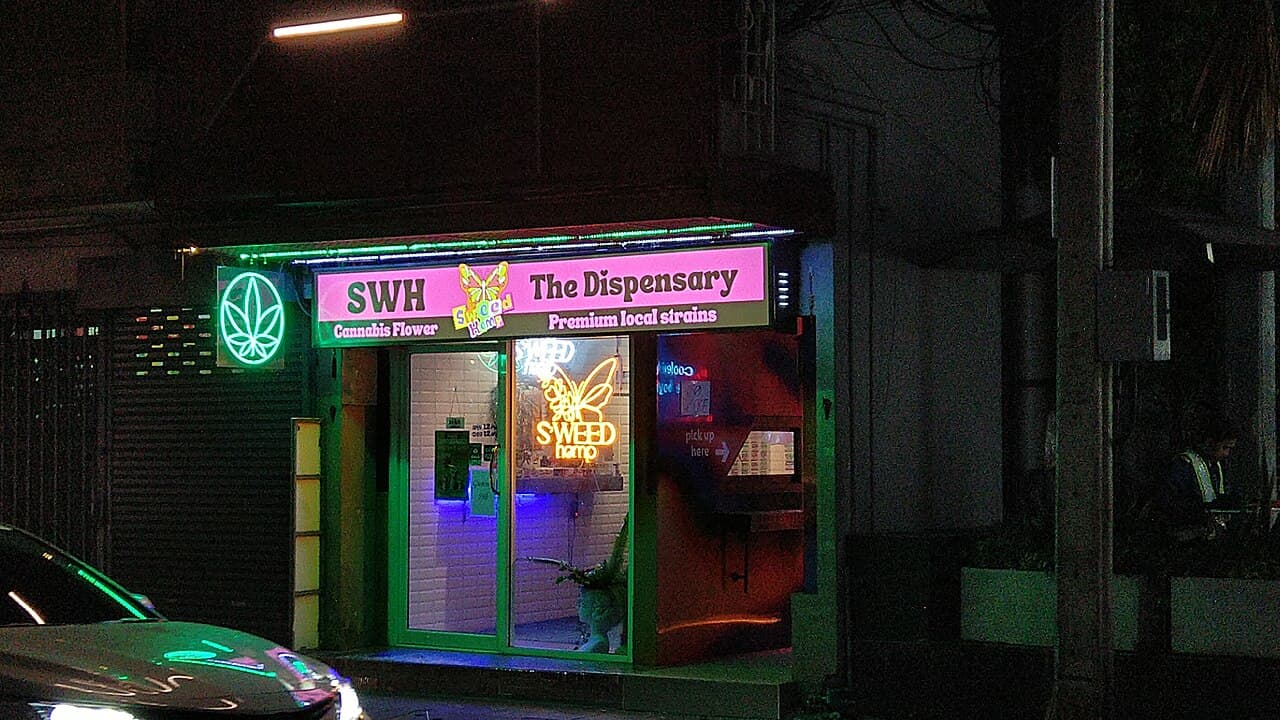
Authorities are separately increasing enforcement against the thousands of unlicensed or illicit cannabis shops that have proliferated since decriminalisation, using a GPS-based tracking system to distinguish legally registered outlets from unlicensed ones. With two competing legislative efforts now underway, one from the health ministry and one from parliament, officials say the shared goal is to anchor cannabis firmly within Thailand's healthcare and wellness framework and insulate the public, particularly young people, from the risks of unregulated commercialisation.